
Last updated October 16, 2026
 Water damage drying
 Fire & smoke cleanup
 Mold remediation
 Storm response
 Sewage cleanup
 Reconstruction
Free visual inspection and a written scope of work before any mitigation begins - photos, moisture readings, and drying logs go in your claim file
The scope we write is the scope we bill. Anything new gets shown to you, in writing, before we touch it.
Get your free estimateDIY vs Professional Damage Restoration: The Jacksonville Homeowner’s Decision Guide
Jacksonville’s average indoor relative humidity runs 10 to 15 points higher than the national baseline used in most DIY drying guides. That single fact changes the entire math on self-performed restoration. The 72-hour drying window those guides cite is effectively 36 to 48 hours in a real Jacksonville home without professional-grade dehumidification. If you’re standing in a wet hallway right now, phone in hand, wondering whether to rent a carpet cleaner and handle it yourself or make the call, this guide walks you through the exact line where DIY stops making sense in Jacksonville.
Restoration work we handle
Quick Answer
DIY damage restoration is genuinely appropriate for small, clean-water spills under 10 square feet that you catch within the first hour. Everything else belongs in the hands of a restoration company with professional extraction and drying equipment. The reason isn’t skill; it’s that incomplete drying in Jacksonville’s humidity reliably leads to mold amplification within 36 to 48 hours, and a DIY mitigation attempt without proper documentation gives your insurance carrier a legitimate basis to deny the claim. For anything beyond a towel-and-a-fan situation, call Keegan Restoration Jacksonville at (904) 664-5108, or read our step-by-step guide on hiring a damage restoration contractor in Jacksonville first.
Table of Contents
- The Three Scenarios Where DIY Is Actually Safe in Jacksonville
- Why Category 2 and Category 3 Water Cannot Be DIY’d
- How Florida Insurance Carriers Evaluate DIY Mitigation
- The Real Cost: What You Save vs. What You Risk
- The Documentation You Cannot Replicate on Your Own
- Equipment: What the Pros Use That Rental Centers Don’t Carry
- Jacksonville Humidity and the Mold Clock: Why Local Guides Fail You
- Common Mistakes to Avoid
- When to Call a Professional
- Frequently Asked Questions
- The Bottom Line
The Three Scenarios Where DIY Is Actually Safe in Jacksonville
Let’s be straight with you: most of the DIY restoration content on the internet is written for a national audience and ignores what Jacksonville’s climate does to drying times. That said, there are three specific situations where a homeowner with the right supplies can handle the job without a restoration crew and, more importantly, without putting their insurance position at risk; see our Water Damage Restoration Maintenance Checklist for Jacksonville Homeowners for supplies and preparation.
Scenario 1: Clean water under 10 square feet, caught within the first hour. A supply line to a washing machine lets go while you’re home. You shut the valve, grab the mop, and get a box fan running. The water is Category 1, meaning it came from a sanitary source like a supply line, faucet, or a fresh water tank. If you can get the surface dry to the touch within an hour and run a dehumidifier in the room for 24 to 48 hours, you’re likely fine. The key is that you caught it immediately and the affected area is truly small.
Scenario 2: A single area rug or small section of carpet, no subfloor saturation. If you pull back the carpet corner and the pad underneath is dry, you’re dealing with a surface-level issue. A rental carpet cleaner with strong extraction, followed by a few days of a dehumidifier pointed at the area, will typically resolve it. We’ve walked into enough Jacksonville homes to know that if the pad is wet, it’s already another story entirely.
Scenario 3: A roof leak that dripped onto a concrete or tile floor, with no drywall involvement. If the water fell on non-porous flooring and didn’t soak into walls, baseboards, or subfloor, you can mop it up and watch the area. A roof tarp and a bucket can buy you time until the roofer arrives. Just don’t let it sit overnight in a closed room; Jacksonville’s nighttime humidity will start working against you the moment you turn the AC down.
Even in these three scenarios, you need to document what happened. Take photos before you start, photos during, and photos after. Write down exactly when the water appeared, where it came from, what you did, and what equipment you used. If mold shows up three weeks later and you decide to file a claim then, that documentation is what separates a covered additional loss from a denied one. The standard we see again and again in Jacksonville is that carriers don’t argue with dates, times, and photos; they argue with vague descriptions from a homeowner who didn’t write anything down.
Why Category 2 and Category 3 Water Cannot Be DIY’d
The IICRC, the organization that writes the standards for professional water damage restoration, classifies water into three categories. The distinction matters more than most homeowners realize.
Category 1 is clean water from a sanitary source. A broken supply line, a faucet left running, a water heater overflow with no contaminants. This is the only category where DIY is ever worth considering.
Category 2 is gray water. It carries some contamination. Think dishwasher overflow, washing machine drain water, a sump pump failure, or an aquarium that broke. It can make you sick if ingested, and it becomes more hazardous the longer it sits.
Category 3 is black water. This is sewage, storm surge from the St. Johns River during a nor’easter or hurricane, or any water that has sat long enough for bacteria to bloom. Category 3 water carries pathogens that cause serious illness through skin contact alone.
A homeowner with a shop vac and a rented dehumidifier cannot safely mitigate Category 2 or Category 3 water. The reason isn’t gatekeeping; it’s that consumer equipment doesn’t have the antimicrobial and sanitizing capability required by the standards professionals work to. The IICRC requires that Category 2 water be extracted, antimicrobial agents applied, affected porous materials either removed or thoroughly treated, and the entire area dried to specific moisture content targets. Category 3 requires removal of all affected porous materials, including carpet, pad, and often drywall up to a flood line, followed by disinfection and drying. A homeowner who attempts this with a rental unit is exposing themselves and their family to bacteria that a mop doesn’t remove, and they’re creating a liability and health exposure that no insurance policy is designed to handle.
In Jacksonville specifically, we see Category 3 situations after heavy summer thunderstorms back up sanitary sewer lines, and after storm surge or flooding from hurricanes. If the water came from outside, or if it carried sewage, the professional call is the only call. The water damage restoration process in Jacksonville for these situations includes containment, disposal, disinfection, and drying; none of that is available at a rental counter.
How Florida Insurance Carriers Evaluate DIY Mitigation
Florida is a unique insurance market. Homeowners here already contend with higher premiums and carriers that scrutinize water claims more closely than almost anywhere in the country. Duval County policies, whether from the major national carriers or Florida-specific companies, generally include language that requires the homeowner to mitigate further damage as soon as they become aware of it. That’s the “duty to mitigate” clause.
Here is the part most DIY guides miss: your duty to mitigate doesn’t just mean you have to do something. It means you have to do something reasonable and document it. If a carrier reviews your claim and determines that your mitigation attempt was inadequate, or if they can argue that your attempt actually worsened the loss by delaying proper drying, they can deny the portion of the claim attributable to that delay. In practice, a homeowner who fans a wet carpet for three days, then files a mold claim three weeks later, is often told that the mold was caused by insufficient drying, not by the original water event.
What carriers want to see from any mitigation, professional or DIY, is:
- Date and time the water was discovered
- Source of the water and when it stopped
- Photos or video showing the extent of the affected area before any work begins
- A written log of every step taken, with dates, times, and equipment used
- Moisture readings, if you have a meter
- Photos after drying, showing the area was returned to a dry standard
A professional restoration company in Jacksonville will produce that documentation as a standard part of the job. That’s the difference between a claim that gets approved in weeks and one that goes into adjuster review for months. When a professional handles the work, the carrier is working from a third-party record that they can’t easily dispute. When a homeowner handles it, the carrier is working from whatever the homeowner thought to write down, which is typically incomplete.
We should also mention that many Duval County policies contain specific exclusions for mold damage that “results from a failure to mitigate.” That language matters. If you attempt DIY drying, and mold develops, the carrier can point to that clause and deny the mold remediation portion entirely. That’s not a minor line item; mold remediation in a Jacksonville home can run to four figures or more, depending on the area affected. The mold remediation process in Jacksonville is not something you want to self-fund because a DIY drying effort fell short.
The Real Cost: What You Save vs. What You Risk
Let’s put actual numbers on the table for a typical 200-square-foot water loss in a Jacksonville home. Assume a supply line broke in a first-floor laundry room, water spread across the room and into a hallway, and the carpet pad is saturated. The area is about 200 square feet.
DIY costs, best case:
- Rental dehumidifier and air mover: $45 to $80 per day, plus a $50 to $150 deposit. A proper 3-day drying effort runs roughly $135 to $240 in equipment rental.
- Moisture meter rental or purchase: $25 to $60 for a basic pin-type meter.
- Cleaning supplies, antimicrobial spray from a hardware store, plastic sheeting: $40 to $75.
- Total DIY cash outlay: $200 to $375, plus 6 to 10 hours of your own labor across three days.
Professional restoration cost for the same loss:
In Jacksonville’s current market, a 200-square-foot Category 1 water loss with extraction, professional drying, and monitoring typically falls in the $1,500 to $3,000 range. That’s the cash price before insurance involvement. If you’re filing a claim, you pay your deductible, typically $1,000 to $2,500 on most Florida policies, and the carrier covers the rest.
So the “savings” from DIY looks like $1,000 to $2,000 at first glance. But here’s the calculation most Jacksonville homeowners don’t make until it’s too late: if the drying is incomplete, which is more likely than not given the humidity problem and the limitations of rental equipment, mold can begin amplifying within 36 to 48 hours. Remediating mold behind baseboards, under flooring, and in wall cavities in a 200-square-foot area runs $2,000 to $6,000 depending on how far it has spread. And that’s if the carrier doesn’t deny the mold claim based on the failure-to-mitigate exclusion we covered above.
You are betting $200 to $375 in DIY costs against $2,000 to $6,000 in possible mold remediation, plus the risk of a denied claim. In Jacksonville, where mold moves fast and insurance carriers are aggressive, that bet is bad math. We understand the desire to save the deductible; we’ve talked to enough homeowners to know. But the realistic spread on the downside far exceeds the realistic savings on the upside.
The Documentation You Cannot Replicate on Your Own
At the end of a professional restoration job in Jacksonville, a homeowner should receive a package of documentation that stands up to insurance adjuster scrutiny. This package is the difference between a claim that closes cleanly and one that drags into dispute. Here’s what it includes:
- Initial moisture readings, taken from multiple points in each affected room, establishing baseline saturation levels before drying begins. This proves the extent of the original loss.
- A daily drying log showing what equipment was running, where, and what the moisture readings were each day. This is the record that proves the home was actually dried to standard.
- Final moisture readings demonstrating the affected areas reached the dry standard specified by the IICRC. Without this, the carrier can argue the home was never properly dried.
- Scope of loss documentation, including photos of every affected area before, during, and after the work. A professional crew photographs things the homeowner doesn’t think to photograph: the inside of wall cavities, the underside of subfloor, the back of baseboards.
- Equipment records showing what machines were placed, for how long, and at what settings. This speaks to whether the drying effort was adequate.
A homeowner with a rental dehumidifier and a phone camera cannot produce any of this to the standard a carrier expects. That’s not a criticism; it’s a statement about what a documentation package is. Our team at Keegan Restoration Jacksonville produces this package on every job, structured specifically for Florida insurance submission. Every job is recorded and formatted to support your insurance claim. That’s not a marketing line; it’s part of The Garrison Standard that governs how we work. The written price is delivered before any work starts, and the job file is built so your adjuster has what they need to process the claim quickly. For more guides & resources on our standards: every technician is background-checked and arrives in uniform, dispatched from a location that answers to a written standard on every job. When you handle a loss yourself, you are creating a documentation void. Carriers exploit voids.
Equipment: What the Pros Use That Rental Centers Don’t Carry
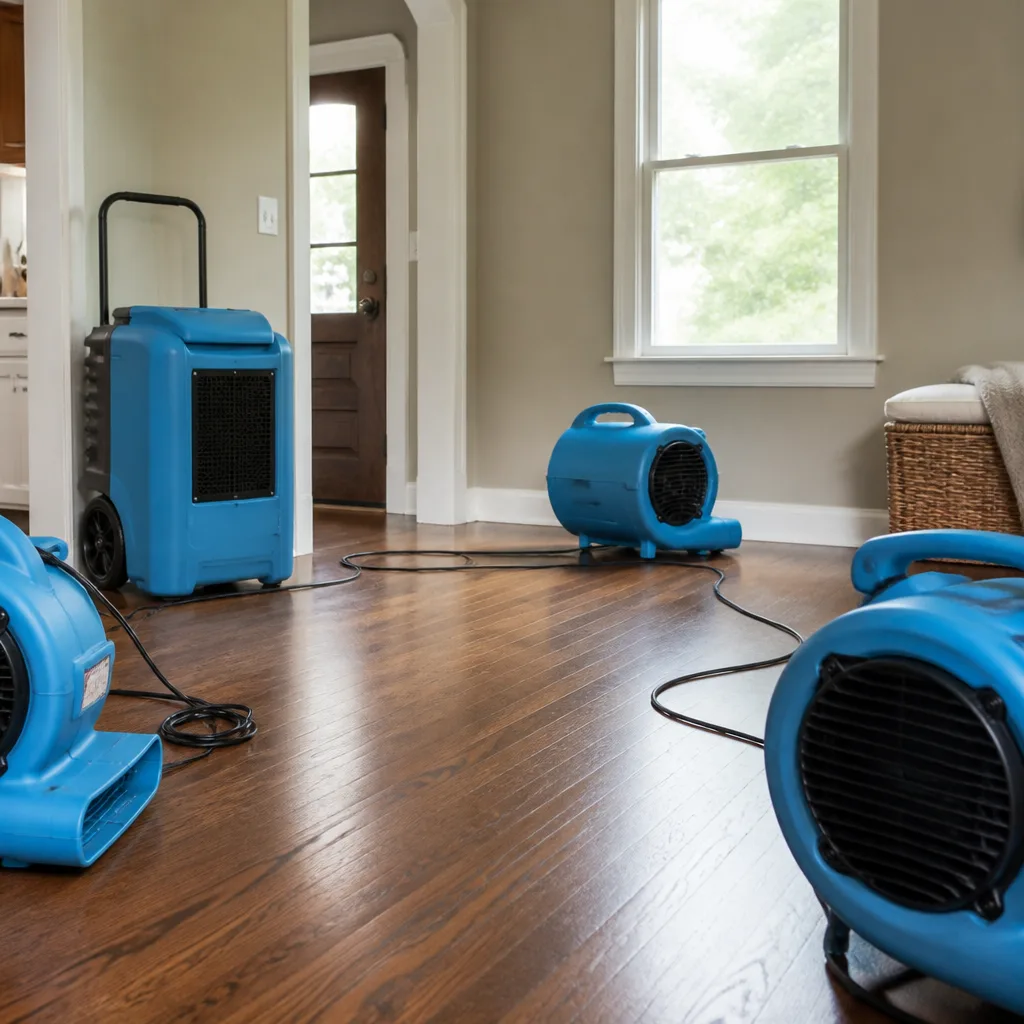
The equipment gap between DIY and professional restoration is larger than most homeowners realize. A rental center will offer you a residential-grade dehumidifier that pulls about 30 to 40 pints per day. A professional restoration company working an average Jacksonville water loss is deploying machines that pull 100 to 150 pints per day, sometimes more, and they are placing multiple units plus high-velocity air movers positioned to create the airflow pattern that actually drives evaporation.
The professional brands used in IICRC-standard restoration work include Dri-Eaz, Phoenix, XPOWER, B-Air, and Injectidry. These are not sold at home improvement rental counters. The difference matters in Jacksonville because the drying window is already compressed by humidity. A rental dehumidifier working in a closed room with Jacksonville’s ambient moisture may pull more water from the air than from the building materials. A professional low-grain refrigerant or desiccant dehumidifier is designed to drive the room’s relative humidity down to levels that actually draw moisture out of drywall, hardwood, and subfloor.
There’s also the matter of equipment the homeowner never sees: moisture meters that read deep into materials, thermal imaging cameras that find water trapped behind walls, and injectidry systems that force air into wall cavities and under cabinets. If you can’t see the water, you can’t prove it’s dry. And in Jacksonville, “not seeing the water” is how mold gets a three-week head start.
Industry-standard references matter here too. When a restoration company says they work to IICRC, RIA, and IFA standards, they are saying their technicians were trained to a specific, written procedure. DIY guides do not follow any procedure at all; they offer general suggestions written for a national audience. The gap between “suggestion” and “procedure” is where Jacksonville homeowners get hurt.
Jacksonville Humidity and the Mold Clock: Why Local Guides Fail You
We opened with the statistic: Jacksonville’s indoor relative humidity runs 10 to 15 points above the national baseline most drying guides assume. Let’s explain exactly what that means for someone standing in a wet bedroom in Mandarin, Riverside, San Marco, or Ortega.
The national drying standard assumes an indoor relative humidity of 40 to 50 percent during the drying process. In Jacksonville, an unconditioned or partially conditioned home with a water event will often sit at 60 to 70 percent relative humidity before the drying equipment even arrives. Mold spores that are dormant in normal conditions begin to colonize and reproduce when relative humidity stays above 60 percent for 24 to 48 hours. That means the clock starts ticking the moment the water stops, not the moment the fan goes on.
A DIY drying effort with a rental dehumidifier might get a room down to 55 or 60 percent relative humidity within a day or two. That’s still within the mold growth envelope. A professional drying setup, with multiple dehumidifiers and air movers configured to the room’s cubic footage, is designed to pull relative humidity down into the 30 to 40 percent range within hours, and hold it there until the moisture content of the materials themselves reads dry. The difference between 55 percent and 35 percent relative humidity is the difference between “the surface feels dry” and “the structure is dry.”
We see it in neighborhoods across Jacksonville: a homeowner in Arlington fans out a carpet spill, the surface feels dry by evening, and three weeks later the baseboards in the adjacent room are swollen. The water had tracked under the wall, into the sill plate, and sat there in the Jacksonville humidity. The surface was dry. The structure was not. That’s the exact failure mode the Keegan Restoration Jacksonville home page speaks to when we talk about doing the job to a written standard rather than to a surface-level impression.
Common Mistakes to Avoid
- Trusting the “72-hour rule” from a national guide. That number was built for a drier climate. In a Jacksonville home, the mold amplification window compresses to 36 to 48 hours. If your drying timeline is built around 72 hours, you’re already behind.
- Using a household fan instead of a dehumidifier. A fan moves air, which speeds surface evaporation, but it does nothing to remove the moisture from the room. In Jacksonville’s humidity you’re pushing wet air around and giving mold exactly what it wants.
- Pulling carpet back and leaving it. Without proper drying of the pad and subfloor, leaving carpet folded back creates a greenhouse effect that accelerates mold growth in the pad.
- Not documenting before you start. Every photo you take before moving anything is worth money on an insurance claim. Skipping this step gives the carrier room to argue about the original extent of loss.
- Using bleach on mold. Bleach does not kill mold on porous surfaces like drywall or wood. It bleaches the surface and drives the mold deeper. If you’re seeing visible mold already, the time for DIY has passed.
- Starting demolition before the adjuster has documented the loss. If you tear out wet drywall before the carrier’s adjuster or a restoration professional has photographed and measured the loss, you can undermine your own claim. Mitigation stops the bleeding; demolition is next-day work, not first-hour work.
- Assuming a small leak means a small problem. Water follows gravity and wicks laterally through materials. A slow leak under a kitchen sink that has been dripping for weeks is often a bigger restoration job than a supply line that broke and got caught in five minutes.
When to Call a Professional
Call a professional restoration company immediately if the water is Category 2 or Category 3, if the affected area is larger than 10 square feet, if the water has been present for more than an hour, if you can see water wicking up drywall or along baseboards, if the affected room has no air conditioning, or if you intend to file an insurance claim for anything beyond a surface cleanup. The combination of faster professional drying, proper documentation, and the written guarantee on the work changes the entire risk profile. Don’t gamble the health of your home on a rental dehumidifier and a two-day fan setup. Keegan Restoration Jacksonville offers free estimates in Jacksonville. Call (904) 664-5108 and a live person will answer, any hour, any day.
Frequently Asked Questions
In a Jacksonville home with typical indoor humidity, mold amplification can begin within 36 to 48 hours of the water event, not the 72 hours cited in national DIY guides. That is why professional restoration companies in Jacksonville treat every active water loss as an emergency and begin extraction and drying the same day.
Yes, you can file, but the carrier will evaluate the adequacy of your mitigation work. If your documentation is thin or the drying was incomplete, the carrier can attribute subsequent damage to your mitigation rather than the original event. Professional documentation from a restoration company removes that argument.
For a typical 200-square-foot Category 1 water loss, expect $1,500 to $3,000 in Jacksonville’s current market before insurance. If you’re filing a claim, you pay your deductible and the carrier handles the rest. A DIY attempt on the same loss costs $200 to $375 in equipment but risks $2,000 to $6,000 in mold remediation if the drying fails.
Generally not. Rental units available to consumers pull 30 to 40 pints per day. The professional-grade equipment used in restoration work, from brands like Dri-Eaz, Phoenix, and XPOWER, pulls 100 to 150 pints per day and is placed in multiples with air movers configured to the room. In Jacksonville’s humidity, the rental unit cannot hold the room below the mold growth threshold.
Many policies include mold coverage, but almost all carry exclusions for mold that results from a failure to mitigate the original water damage. That means if you attempt DIY drying and mold develops anyway, the carrier can deny the mold remediation portion of the claim. Professional mitigation with documentation protects your position on this specific issue.
A professional restoration job should conclude with a documentation package including initial and final moisture readings, a daily drying log, equipment records, and photo documentation of every affected area. This package is what your adjuster reviews to approve your claim. It cannot be replicated with a rental unit and a phone camera. If you need this level of documentation in Jacksonville, call (904) 664-5108 and we’ll walk you through what to expect before any work begins.
The Bottom Line
The DIY-versus-professional decision in damage restoration never comes down to skill. It comes down to two risks that DIY always carries in Jacksonville: mold amplification in humid conditions and insurance claim invalidation without proper documentation. For small, clean-water spills caught immediately, a homeowner can handle the job if they document every step. For everything else, the professional route is not an upsell; it’s the only mathematically sound option given what mold remediation costs and what Florida carriers do with inadequate documentation. The fire damage restoration process in Jacksonville follows the same principle: proper documentation and professional equipment protect both the home and the claim. Know where the line is, and when you cross it, make the call at (904) 664-5108.
Written by Shane Pruitt, Owner at Keegan Restoration Jacksonville, serving Jacksonville since 2005.
See the difference
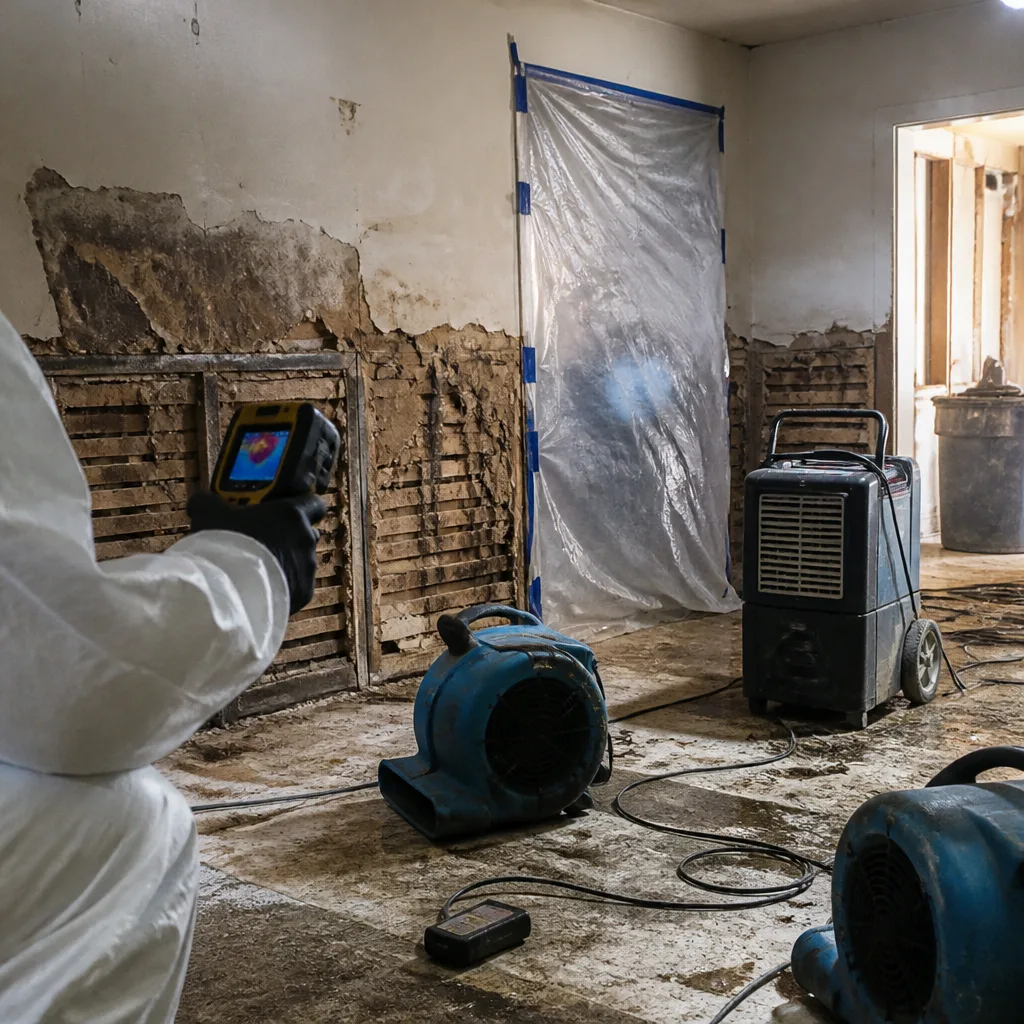 Before
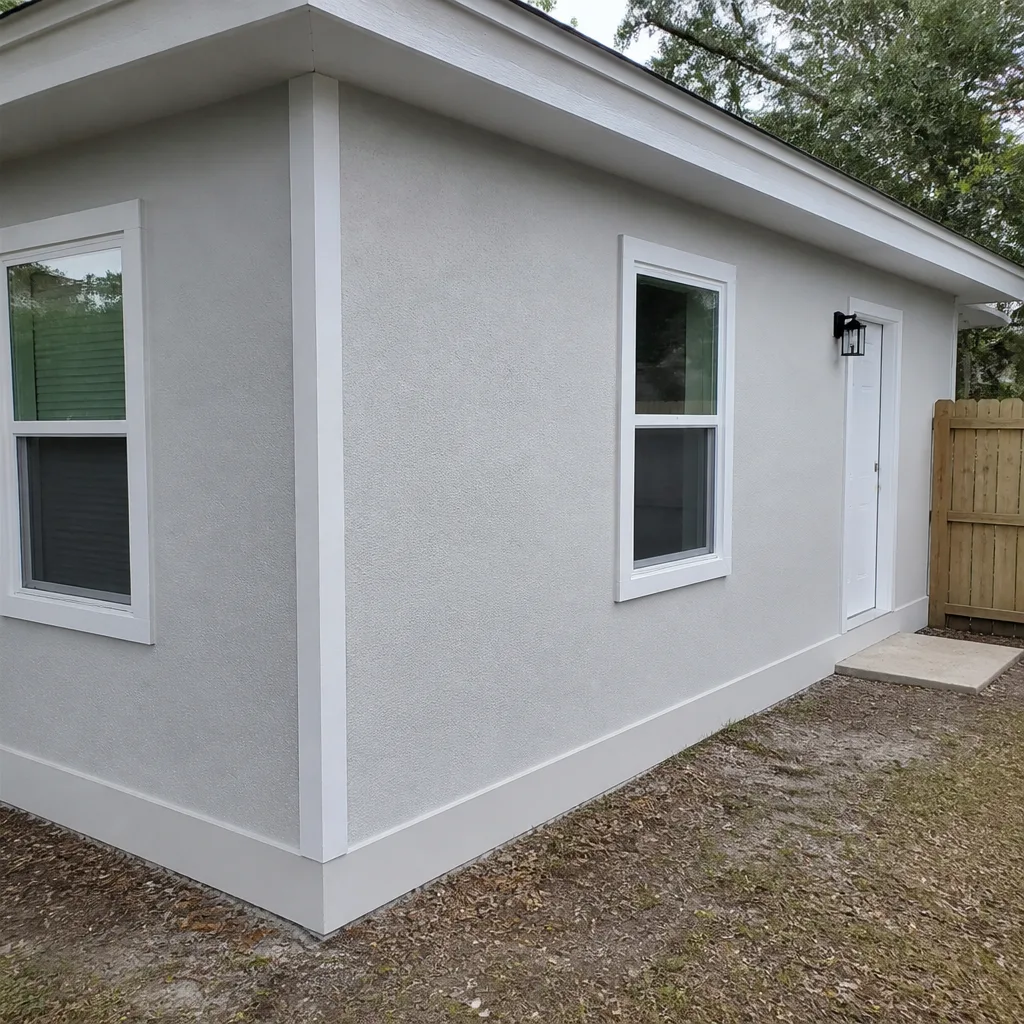 After
After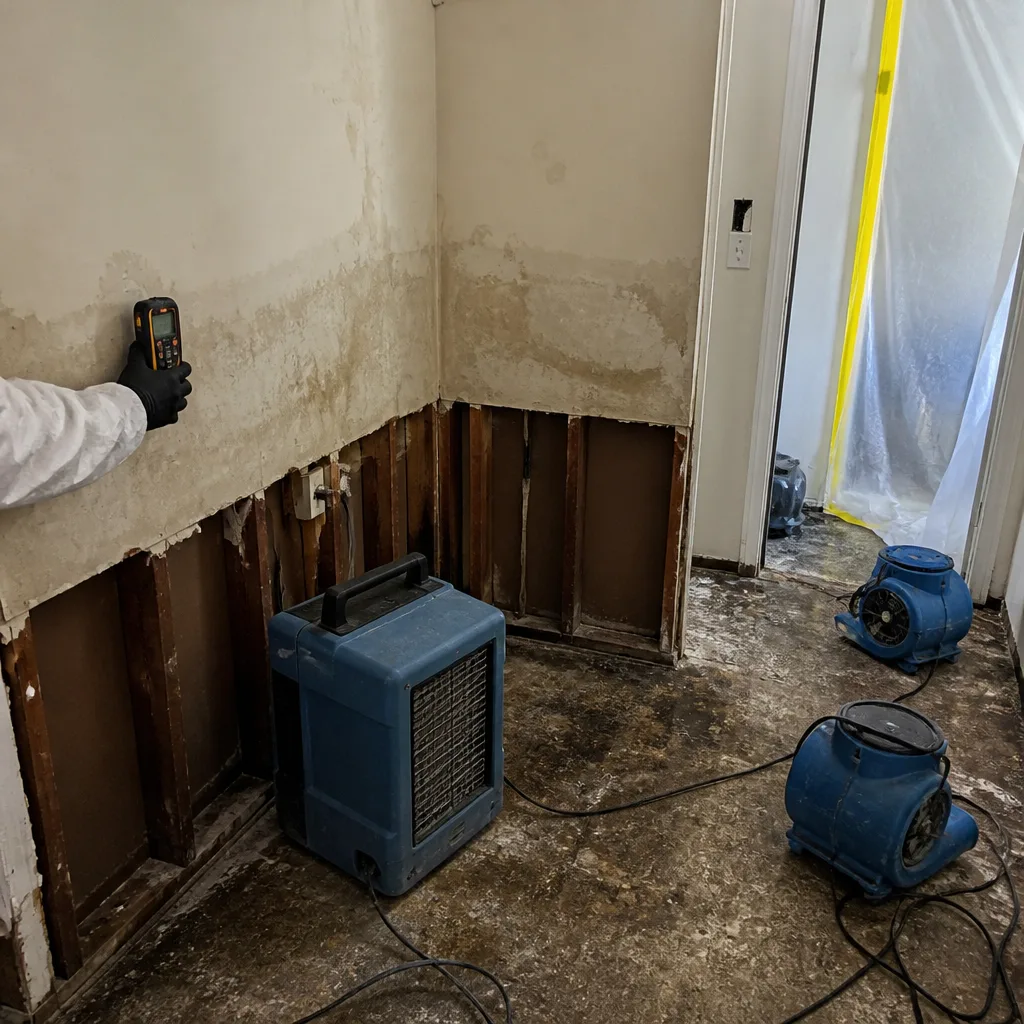 Before
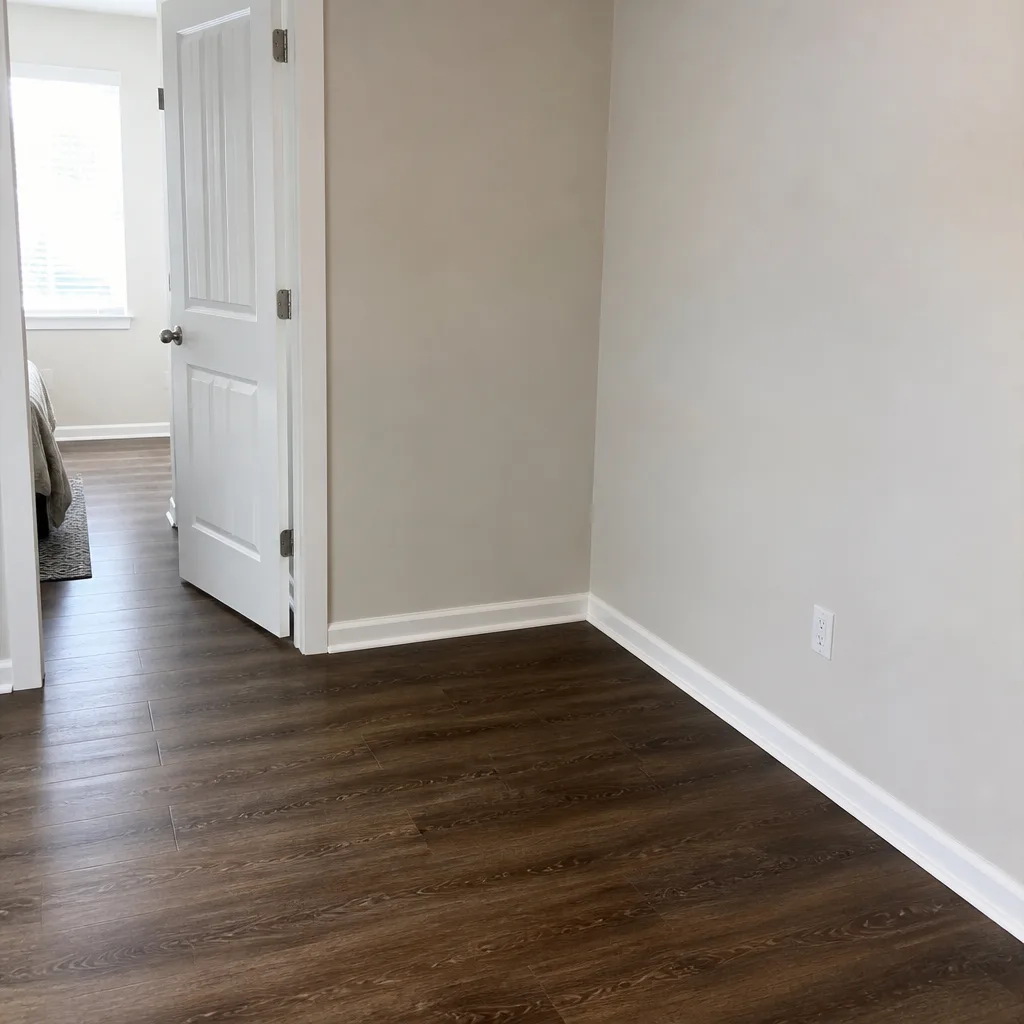 After
After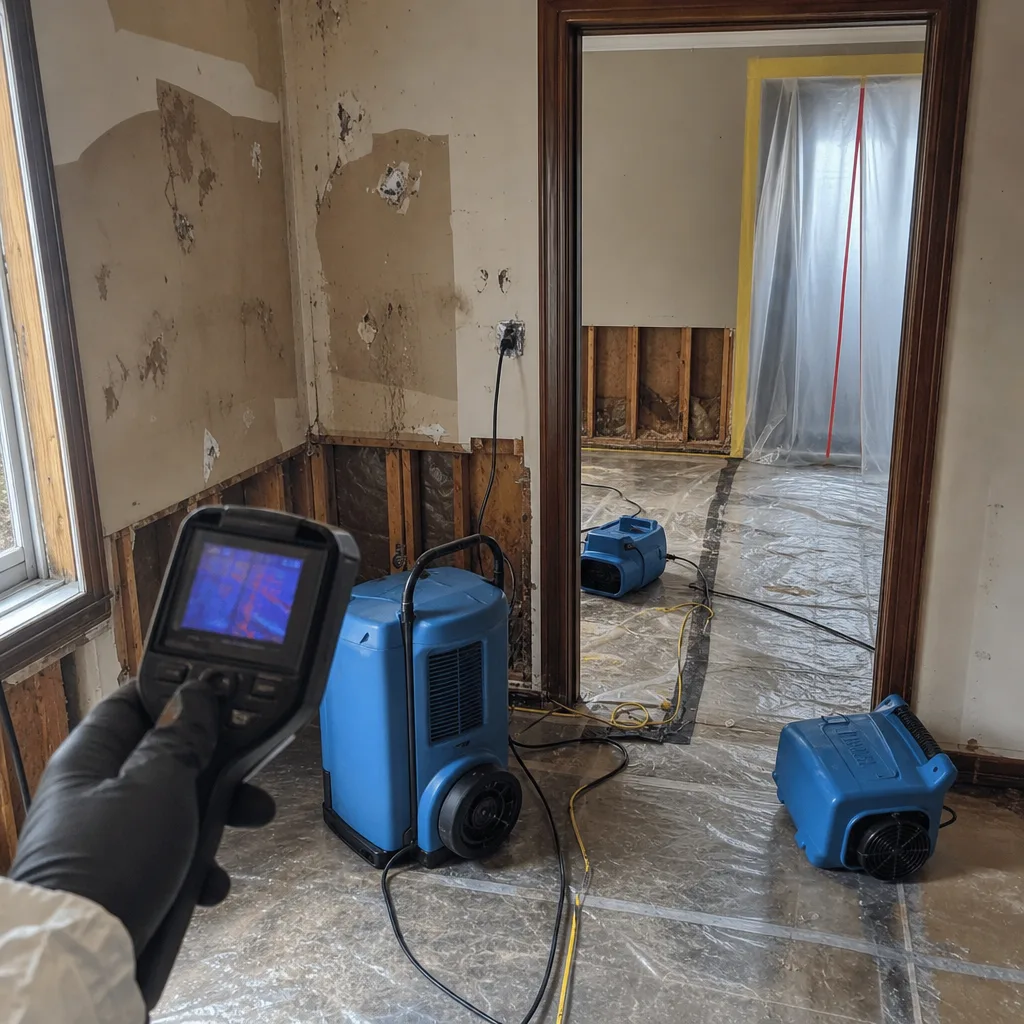 Before
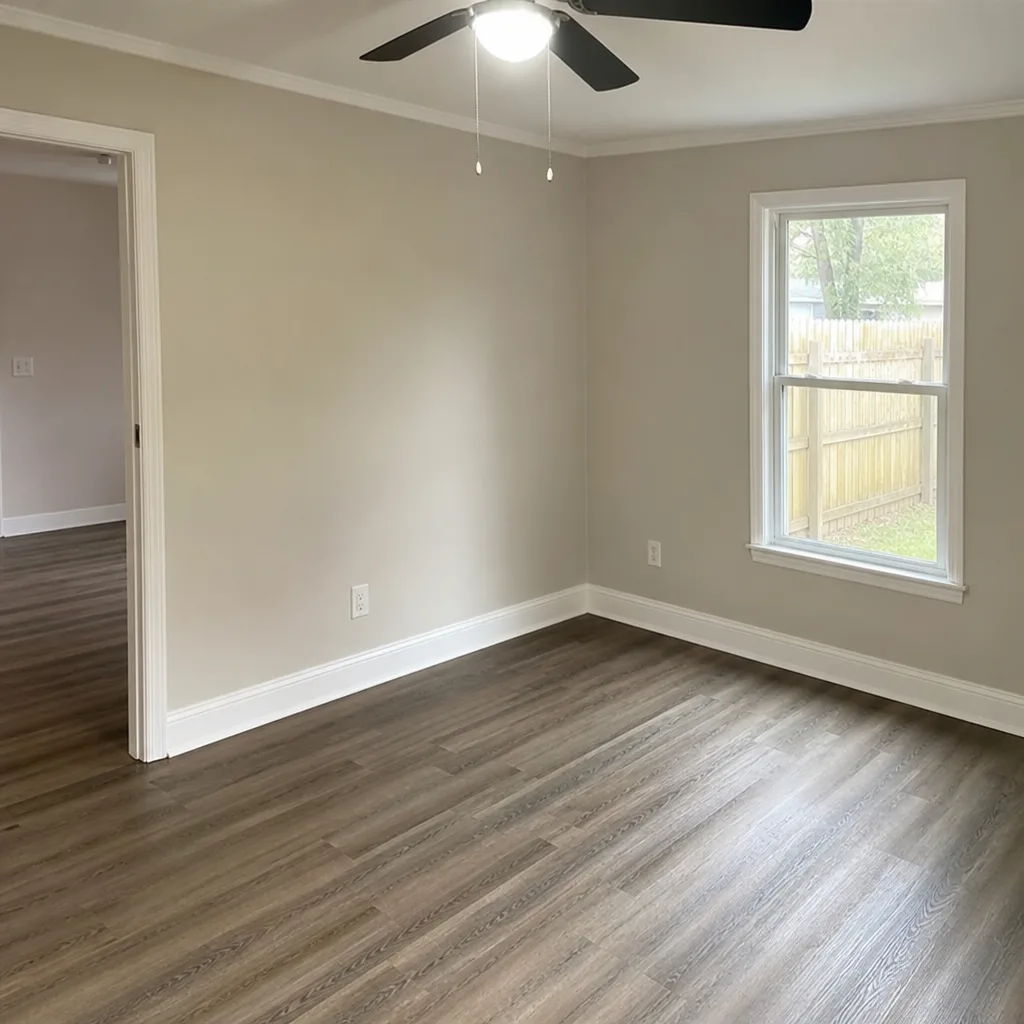 After
After