
Last updated October 16, 2026
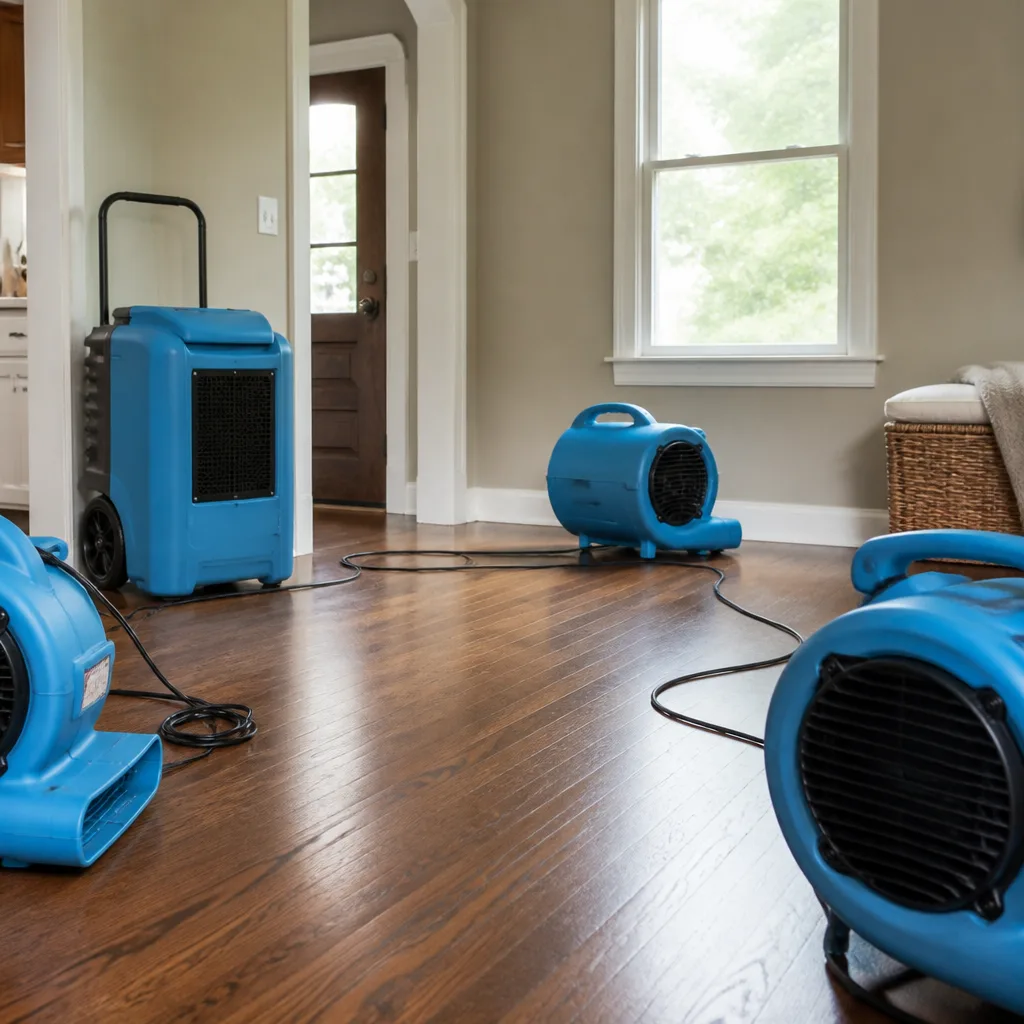 Water damage drying
 Fire & smoke cleanup
 Mold remediation
 Storm response
 Sewage cleanup
 Reconstruction
Free visual inspection and a written scope of work before any mitigation begins - photos, moisture readings, and drying logs go in your claim file
The scope we write is the scope we bill. Anything new gets shown to you, in writing, before we touch it.
Get your free estimateDamage Restoration Warning Signs: A Jacksonville Homeowner’s Reference Guide
In Jacksonville’s older housing stock, particularly homes built between 1955 and 1985, the number one predictor of a major restoration job isn’t a visible leak. It’s a floor that has a slight give in one spot that the owner noticed 18 months ago and didn’t investigate. This guide walks through the warning signs Jacksonville homeowners actually miss: the ones that look like normal Florida aging. For more guides & resources on protecting your home, visit our blog. Humidity staining on a ceiling, a musty smell after rain, a floor that’s “always been like that.” You’ll learn how to tell cosmetic wear from active damage, what your HVAC system is quietly telling you, and when a problem crosses from a DIY fix into a restoration job that needs documentation for insurance.
Quick Answer
The most reliable early warning signs of water damage in a Jacksonville home are: a musty or earthy smell that appears after rain, flooring that has developed a soft spot or slight bounce in one area, baseboards that are separating from the wall, and door or window frames that have begun to bind in humid weather. Any one of these indicates moisture is present where it shouldn’t be. Fire damage warning signs include persistent smoke odor, soot staining around vents or outlets, and cracked or spalled drywall. Cosmetic signs can be monitored; structural signs require a professional assessment within days, not weeks.
Restoration work we handle
Table of Contents
- Cosmetic Humidity Staining vs. Active Moisture Intrusion
- Mold Indicators You Can’t See: Why Smell Beats Sight
- Slab-on-Grade Subfloor Warning Signs
- Reading Your HVAC System for Moisture Damage
- Cosmetic vs. Structural Fire Damage: Why the Distinction Matters
- Common Mistakes to Avoid
- When to Call a Professional
- Frequently Asked Questions
Cosmetic Humidity Staining vs. Active Moisture Intrusion
Jacksonville’s climate produces a lot of cosmetic staining that has nothing to do with a leak. Block-construction homes sweat. Wood-frame homes breathe. The humidity alone, particularly from June through September, can leave faint discoloration on ceilings and around windows. The question is whether that staining is historic or active.
Here’s the distinction that matters. Active moisture intrusion leaves a stain that changes. Cosmetic humidity staining stays the same size, same color, same edges, month after month. Active moisture grows. It darkens after rain. It spreads along drywall seams or follows the path of a joist.
Run these two tests on any stain you’re unsure about:
- The touch test. Press your palm flat against the stained area. Active moisture makes drywall feel cool and slightly soft, even when the stain looks dry. Cosmetic staining feels the same temperature and texture as surrounding drywall.
- The mark-and-watch test. Lightly pencil the outline of the stain. Check it in 30 days. If the stain has crossed the pencil line, you have active moisture intrusion, not cosmetic aging. If it hasn’t moved, monitor it and move on.
Jacksonville’s block-construction homes add a wrinkle. Interior paint on block walls can bubble or peel from condensation alone, especially on north-facing walls and in closets against exterior walls. That’s cosmetic. But if the bubbling is accompanied by a white, chalky residue (efflorescence) or a mineral crust, water is moving through the block itself. That’s a moisture path, and it needs a professional look.
We’ve walked into Jacksonville homes where the owner had been watching a ceiling stain for two years, convinced it was just humidity. The stain was the only visible evidence of a roof boot failure that had been slowly soaking attic insulation. By the time they called, the repair scope included insulation removal, decking replacement, and mold remediation. If a stain is growing, it’s not cosmetic. Call someone.
Mold Indicators You Can’t See: Why Smell Beats Sight
In Jacksonville, mold forms fast. After a Category 2 or 3 water event (gray or black water, the kind that comes from washing machine overflows, sewage backups, or storm flooding), mold can establish within 48 to 72 hours. By the time it’s visible on drywall or baseboards, the colony has usually been growing for a week or more behind the wall.
The most reliable early signal is smell. Not just any smell: an earthy, musty, damp-basement smell that gets stronger after rain or when the HVAC kicks on. In our experience, homeowners in Jacksonville’s older neighborhoods (San Marco, Riverside, Avondale, Springfield) describe it the same way: “It smells like a cabin that’s been closed up all winter.” That’s microbial growth. It’s not the house being old.
Here are the mold indicators that show up before you see any mold:
- Intermittent musty smell after rain. This suggests water is entering somewhere and then drying partially between events. The mold colony is active when wet and dormant when dry.
- Smell that concentrates in one room or one corner. Mold smell is localized. If your whole house smells the same, it’s more likely a humidity or HVAC issue. If the smell lives in one closet or behind one couch, investigate that area.
- Increased allergy symptoms at home. If someone in the house has congestion, sneezing, or itchy eyes that improve when they leave, that’s worth taking seriously. Not every allergy is mold, but mold amplifies respiratory irritation.
- Visible staining on the back side of furniture. Pull a bookshelf or dresser away from an exterior wall. In Jacksonville’s humid months, wall cavities behind furniture get poor airflow. If you see dark staining or fuzzy growth there, it’s active.
One more Jacksonville-specific note: mold grows faster in homes with high indoor humidity. If your indoor humidity sits above 60% through the summer, you’re creating conditions where a small leak becomes a mold problem quickly. A $20 hygrometer from the hardware store will tell you where you stand. If you’re consistently above 60%, start with the HVAC, then check for hidden moisture sources.
Slab-on-Grade Subfloor Warning Signs
Most Jacksonville homes are built on concrete slabs. That construction style creates a specific set of warning signs that don’t show up in raised-foundation homes. When moisture gets under flooring on a slab, it doesn’t drain away. It sits. It wicks up. It moves laterally through the slab and into walls, baseboards, and door frames.
Here’s what to watch for in a slab-on-grade Jacksonville home:
Door and Window Binding
When a wood door or window frame absorbs moisture, it swells. A door that suddenly drags against the jamb, or a window that won’t open smoothly that used to open fine, is often a moisture signal. The first question to ask: is this happening in one area of the house or everywhere? If it’s one door, investigate that doorway for water. If it’s every interior door, you likely have a whole-home humidity problem rather than a localized leak.
Grout Cracking and Tile Movement
Tile floors on slabs are rigid systems. If moisture gets underneath, the slab can shift slightly or the tile can lose bond. Loose tile, cracked grout lines that keep getting worse, or a hollow sound when you tap a tile with a coin: these indicate subfloor movement. In a dry home, tile on slab is stable for decades. In a home with slab moisture, it fails from the bottom up.
Baseboard Separation
Baseboards pulling away from the wall at the bottom edge are a classic slab moisture signal. As flooring or subfloor materials swell, they push upward and the baseboard rotates outward. Check the gap at the bottom of the baseboard in rooms that share a wall with a bathroom, laundry, or exterior hose bib.
A note on Jacksonville’s soil: the city sits on a mix of sandy soils with a high water table in many areas. Homes in lower-lying neighborhoods or near creeks and wetlands see more hydrostatic pressure against the slab. If you live in an area that floods or holds water after heavy rain, slab moisture is a standing risk even without a visible leak inside the house.
Reading Your HVAC System for Moisture Damage
Your air conditioner is simultaneously the best tool for managing Jacksonville humidity and the most common source of hidden water damage in a home. A standard Jacksonville AC unit pulls gallons of water out of the air every day. All of that water is supposed to leave the house through a drain line. When it doesn’t, the damage starts inside the system and spreads outward.
Here’s how to read your HVAC for moisture trouble:
- Duct sweating. In Jacksonville’s summer, supply ducts in unconditioned spaces (attics, garages) will sweat if they’re not properly insulated. Look for water beading on duct surfaces or dark staining on insulation. Duct sweating means moisture is dripping onto whatever is below: ceilings, drywall, stored items.
- Coil corrosion. When the evaporator coil accumulates dirt and the drain pan isn’t draining, the coil sits in water. Over time this corrodes the coil and can lead to refrigerant leaks. If your AC has needed repeated refrigerant top-offs, check the drain pan. The two problems often travel together.
- Drain pan conditions. A properly functioning drain pan should be dry between cycles, with a clear drain line. Standing water in the pan, rust, or a pan that overflows when the AC runs hard means the drain line is clogged and water is seeking another path. That path is usually through your ceiling.
- Musty smell from vents. Mold grows inside AC systems when moisture is trapped. If you smell something earthy only when the air runs, the growth may be inside the plenum, the coil housing, or the duct work. This is a moisture problem first and an air quality problem second.
A neglected drain line in a Jacksonville attic can drip for months before a homeowner notices. By the time a ceiling stain appears, the insulation above the drywall is already saturated, and the repair is no longer a simple drain cleaning. It’s a restoration job. If you see any of these HVAC signs, a technician who understands both the mechanical system and the damage patterns is what you need.
Cosmetic vs. Structural Fire Damage: Why the Distinction Matters
Not every fire produces the kind of damage that makes the news. Kitchen grease fires, electrical fires in an outlet, a small blaze that’s out before the fire department arrives: these are the events Jacksonville homeowners most often underestimate. The fire is out. The visible damage looks manageable. But the distinction between cosmetic and structural fire damage determines what your insurance scope should include, and getting it wrong is expensive.
Cosmetic fire damage means soot, smoke odor, and surface discoloration with no compromise to the structural materials underneath. Structural fire damage means framing, sheathing, or subflooring that has been charred, warped, or weakened by heat. The problem is that structural damage is often hidden behind surfaces that look fine.
Here’s how to tell the difference:
- Check the framing. If the fire was near a wall or ceiling, you need to see what’s behind the drywall. Charred studs, joists, or rafters mean the structural path of the fire reached load-bearing material. That’s an engineering assessment, not a cleaning job.
- Test the drywall. Drywall that was exposed to direct flame or high heat loses its integrity. If you press it and it crumbles or feels chalky, it needs replacing. If it’s just stained, it can often be cleaned and sealed.
- Check electrical thoroughly. Heat travels through wiring conduits. The fire’s thermal impact on your electrical system can be hidden inside walls, far from the visible burn area. Any fire that involved an outlet, panel, or appliance needs an electrician’s assessment as part of the restoration scope.
- Assess floor structure. Fire near a floor can char floor joists or the subfloor from underneath. A floor that feels springy after a fire is not a cosmetic issue.
Why the distinction matters for insurance: cosmetic cleaning and deodorization is a narrow, inexpensive scope. Structural assessment and repair is a larger, longer scope. If your adjuster’s initial scope only covers cosmetic work and you later discover structural issues, you’re filing a supplement. That’s easier to do with thorough photo documentation from day one. Take photos before anything is moved, before any cleaning begins, and of every area the fire touched, even indirectly. Your documentation is what makes the scope accurate.
For fire restoration in Jacksonville, the same rule applies as with water: a written, documented scope protects you. Get it before work starts, and make sure it covers the distinction between what’s visibly damaged and what needs a closer look.
Common Mistakes to Avoid
- Waiting to see if a stain dries. In Jacksonville’s humidity, many water stains don’t dry completely on their own. The moisture just moves deeper or spreads laterally. A stain that appears after rain is a leak until proven otherwise.
- Painting over water stains without fixing the source. Painting seals the stain cosmetically. It does nothing about the moisture. What you can’t see behind the paint is still getting wet, and now you’ve hidden the only visible indicator.
- Assuming slab homes can’t have subfloor moisture. They can and they do. Slab moisture is harder to detect than crawlspace moisture and more damaging when ignored.
- Using bleach on mold. Bleach kills surface mold but doesn’t penetrate porous materials like drywall or wood. The roots remain. On porous surfaces, the affected material usually needs to be removed, not treated.
- Trusting air fresheners to handle a musty smell. That smell is a signal. Masking it doesn’t change the fact that moisture and probably microbial growth are present somewhere.
- Skipping documentation before cleanup. Once you start cleaning or pulling materials, the evidence changes. Insurance claims are stronger when photos show the original condition before anything was disturbed.
- Assuming small fires are small problems. Smoke travels through the entire HVAC system and into every room, even when the fire was contained to one corner of the kitchen. The damage extends beyond the burn area.
When to Call a Professional
Call a restoration professional when you have a growing stain, a persistent musty smell that doesn’t clear with improved ventilation, flooring that’s newly soft or springy, or any water event that involved gray or black water. Also call after any fire, no matter how small, because smoke and soot behavior is not intuitive and the hidden damage is usually worse than the visible damage. If your HVAC system is showing water in the drain pan, sweating ducts, or musty smells from vents, a professional can assess whether the issue is mechanical, moisture-related, or both. Keegan Restoration Jacksonville offers free estimates in Jacksonville. Call (904) 664-5108 and describe what you’re seeing. We’ll tell you honestly whether it’s worth sending someone out.
Frequently Asked Questions
An old water stain is dry to the touch, has a defined edge, and looks the same month after month. A new or active stain is cool or damp to the touch, changes shape or size, and often has a darker ring around the perimeter where moisture is actively spreading. If you’re not sure, outline it with pencil and check it in 30 days. Growth means active water.
Mold can begin growing within 24 to 48 hours of a water event, and in Jacksonville’s warm, humid climate, it’s established enough to smell within 72 hours on most porous surfaces. That’s why fast extraction and drying matter. The longer water sits, the more material has to be removed rather than dried.
A slab leak typically shows up as warm spots on the floor, the sound of running water when no fixtures are on, a sudden unexplained increase in the water bill, or cracking in tile and flooring with no other apparent cause. You may also see water wicking up the bottom of baseboards along an interior wall.
For a small, clean-water leak from a supply line that dried within 24 hours and left no staining or odor, you may be fine with towels and a fan. But if the water touched drywall, flooring, or baseboards and sat for more than a day, the materials themselves may be retaining moisture behind the surface. That’s where professional drying equipment matters. In our experience, the majority of Jacksonville homes with a “small” water event still need at least a moisture assessment to rule out hidden saturation. If you’re evaluating contractors, our How to Hire a Damage Restoration Contractor in Jacksonville: A Step-by-Step Guide can help.
Most homeowners policies cover sudden, accidental water damage from things like burst pipes, appliance failures, or storm-related roof leaks. Gradual damage from a slow, ongoing leak is often excluded. What matters for any claim is documentation: photos of the original condition, a written scope of work, and drying logs that show the process followed industry standards. If you’re facing a claim, get the scope in writing before work begins.
Within a week. A musty smell means microbial growth is already present, and the moisture source that’s feeding it is still active. The faster you locate the source and dry the area, the smaller the remediation scope. Waiting turns a drying job into a removal job, and removal is always more invasive and more expensive.
The Bottom Line
Most serious damage restoration jobs in Jacksonville start small. A stain that grew. A floor that felt a little soft. A smell that came and went after rain. The owners who catch problems early are the ones who investigate instead of normalize. The owners who get fair treatment from insurance are the ones who document everything from day one and work from a written scope. If something in your home is sending a signal you can’t explain, take the next step. Get an assessment. Get a written price. And if you’re in Jacksonville, the Keegan Restoration Jacksonville home team is one call away at (904) 664-5108.
Written by Shane Pruitt, Owner at Keegan Restoration Jacksonville, serving Jacksonville since 2005.
See the difference
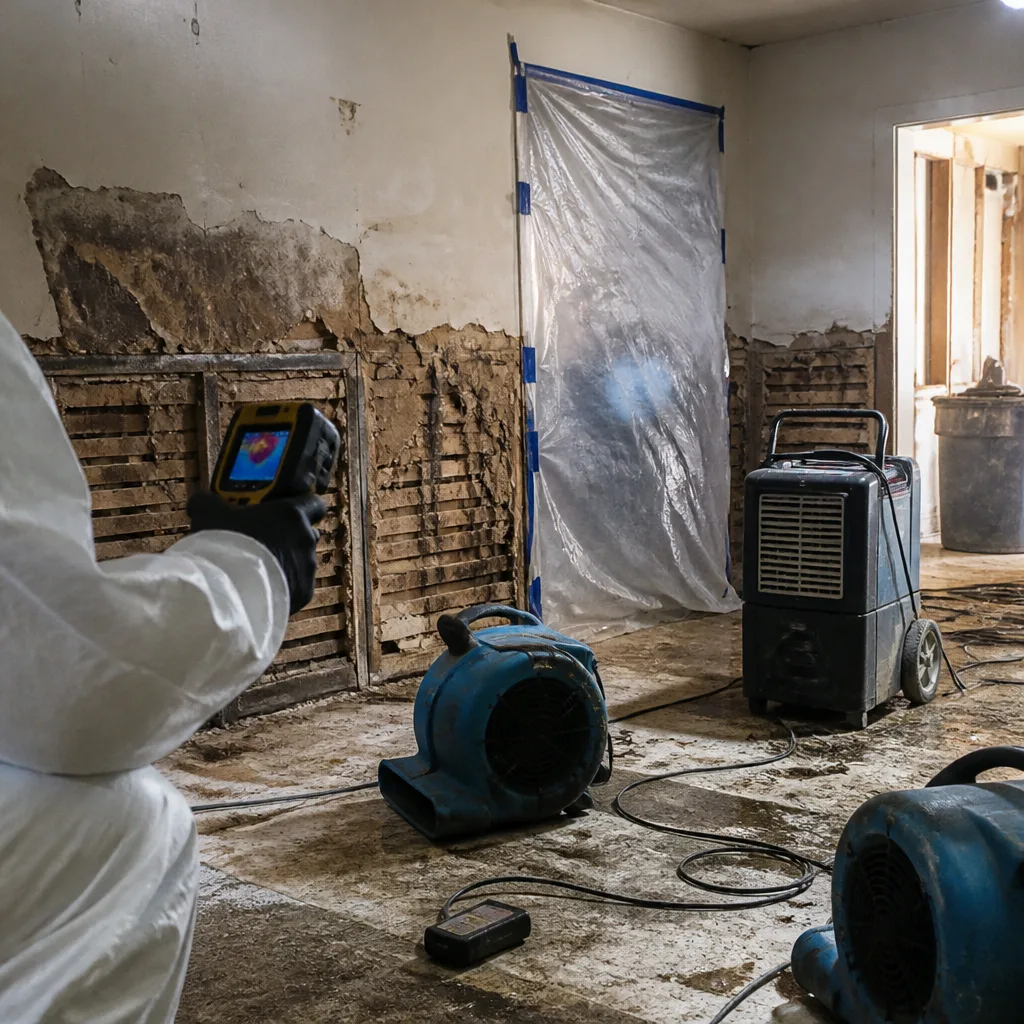 Before
 After
After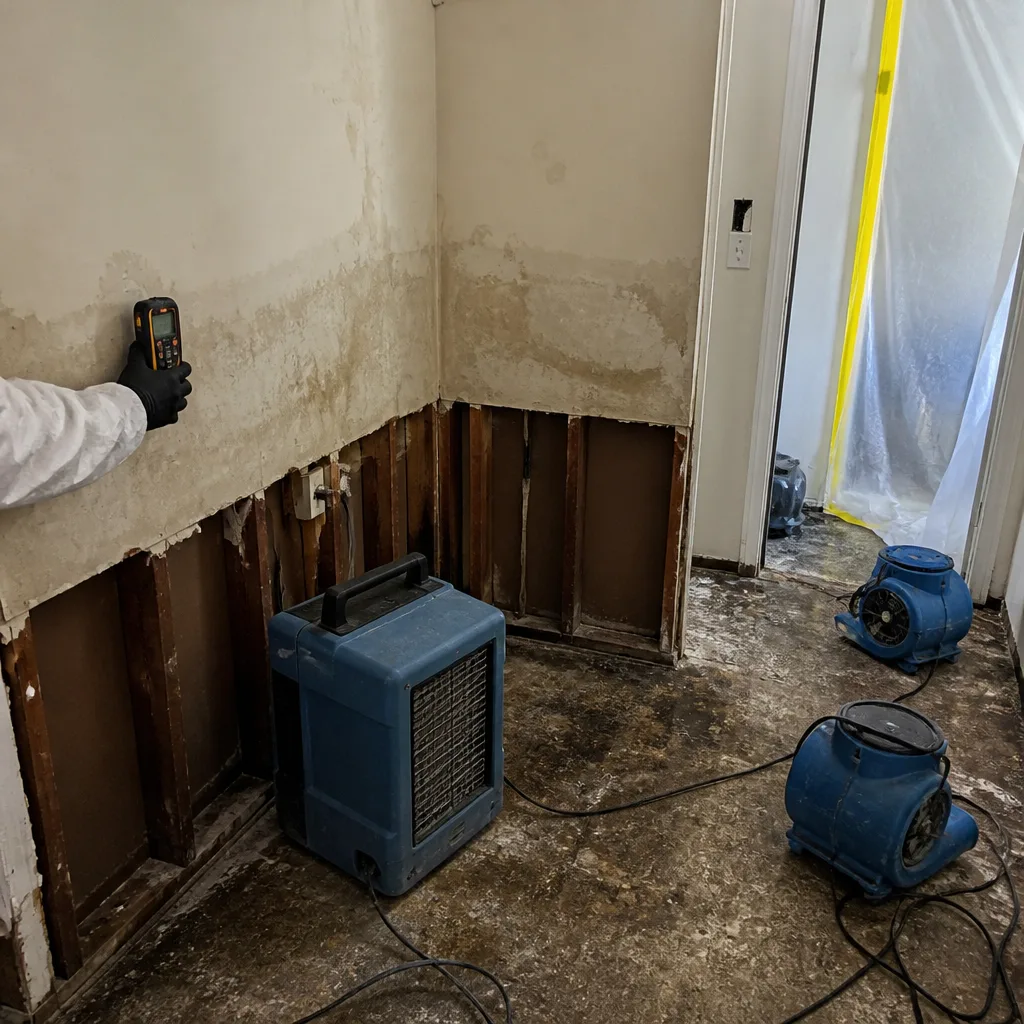 Before
 After
After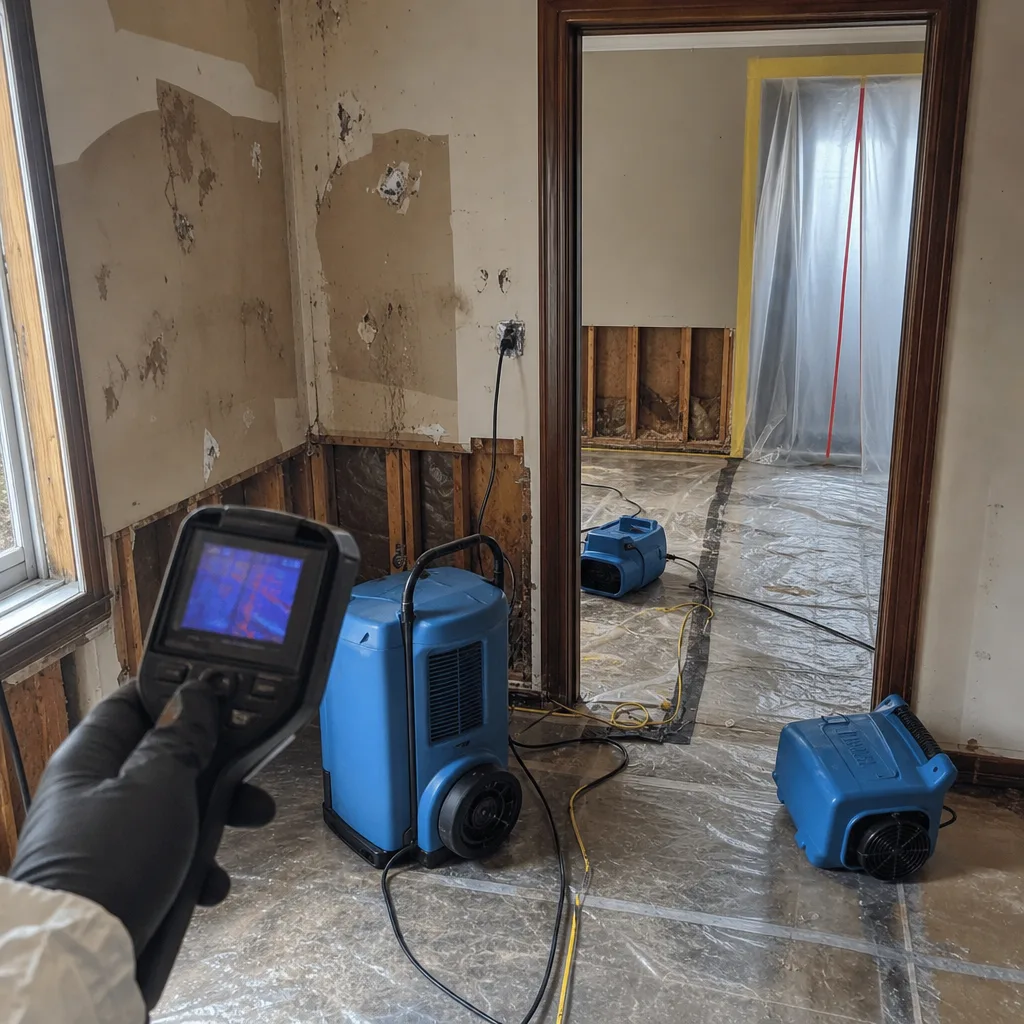 Before
 After
After