
Last updated October 16, 2026
 Water damage drying
 Fire & smoke cleanup
 Mold remediation
 Storm response
 Sewage cleanup
 Reconstruction
Free visual inspection and a written scope of work before any mitigation begins - photos, moisture readings, and drying logs go in your claim file
The scope we write is the scope we bill. Anything new gets shown to you, in writing, before we touch it.
Get your free estimateDamage Restoration Permits, Codes & Inspections in FL: What You Need to Know
A homeowner in Jacksonville’s Southside sold their house in 2023 only to have the sale fall through at closing when an inspector flagged a water-damaged subfloor repair completed without a permit two years earlier. The restoration had cost $4,200. The unpermitted status cost them the entire deal. This guide-along with our Damage Restoration Warning Signs: A Jacksonville Homeowner’s Reference Guide-explains exactly which restoration tasks require a Duval County permit, which don’t, and what happens if you skip the ones that do. We’ll cover the Florida Building Code sections that matter, the post-Irma insurance reform changes that affect your claim, and how to check permit history before you buy a property in Jacksonville.
Quick Answer
In Florida, mitigation work like water extraction, drying, and mold containment typically requires no permit, but structural repairs, electrical work, plumbing changes, and most rebuilds after fire or major water damage almost always require a Duval County building permit. The line isn’t dollar-based: it’s scope-based. If the repair touches framing, load-bearing walls, electrical systems, or the building envelope beyond a simple finish replacement, you need a permit and an inspection. Skipping permits on structural work can void insurance coverage, kill a future home sale, and leave you with liability for undisclosed damage repair.
Restoration work we handle
Table of Contents
- Florida Permit Basics: What the Building Code Actually Requires
- Mitigation vs. Structural Repair: Where the Permit Line Runs
- Duval County Specifics: Thresholds, Fees, and Local Amendments
- Post-Irma Insurance Reform: How Documentation Rules Changed
- What a Duval County Inspector Actually Checks at Rough-In and Final
- How to Pull Permit History on a Jacksonville Property Before Buying
- What Actually Happens When You Skip a Permit in Duval County
- Working With a Restoration Contractor: What Should Be in Writing
Florida Permit Basics: What the Building Code Actually Requires
Florida operates under the Florida Building Code (FBC), which is updated every three years. The 2023 FBC is the current edition, with the 8th Edition taking effect December 31, 2023. Chapter 1 of the FBC covers administrative requirements, including when a permit is required. The rule is straightforward: any construction, enlargement, alteration, repair, movement, demolition, or change of occupancy to a building or structure requires a permit unless specifically exempted.
What surprises most Jacksonville homeowners is that the exemptions are narrow. Section 105.2 of the FBC lists work exempt from permits, and it includes things like painting, papering, tiling, carpeting, cabinets, countertops, and similar finish work. It does not exempt structural repair, even if that repair is replacing exactly what was there before. If a water leak rotted three floor joists and you replace those three joists, that’s structural work, and it requires a permit. If a fire damaged roof trusses and those trusses get sistered or replaced, that’s a permit job.
The FBC also requires permits for electrical, mechanical, plumbing, and gas work above very minor thresholds. Replacing a damaged outlet is exempt. Replacing the wiring in a room that got wet is not. A good rule of thumb: if the repair requires disconnecting anything beyond a standard outlet or switch, assume a permit is needed until someone confirms otherwise.
Duval County processes permits through the Building Inspection Division. The county uses the FBC with local amendments, and those amendments change threshold amounts and administrative requirements. We’ll get into those specifics below. For now, know that Jacksonville is not a “permit-light” jurisdiction. The county enforces permits actively, and unpermitted work shows up in public records.
Mitigation vs. Structural Repair: Where the Permit Line Runs
The most important distinction in damage restoration is between mitigation and structural repair. Mitigation means stopping the damage from getting worse: extracting standing water, setting up drying equipment, removing wet drywall and insulation, applying antimicrobial treatments, and containing mold. Structural repair means putting the building back: replacing framing, reinstalling drywall, rebuilding electrical systems, and restoring the building envelope.
Mitigation work generally does not require a permit. This includes water extraction, dehumidification, demolition of damaged finish materials, and mold containment. The reasoning is practical: when water is actively damaging a home, the priority is stopping the damage, not waiting for a permit office to open. Duval County follows this logic. A mitigation crew can remove wet drywall, pull wet carpet, and set up drying equipment without pulling a permit.
Structural repair almost always requires a permit. This includes framing repair, subfloor replacement, roof repair beyond shingles, electrical rewiring, plumbing repiping, and HVAC duct replacement. The moment the job shifts from removing damaged material to installing new structural material, the permit requirement kicks in.
Here’s where contractors blur the line, and it’s a real problem in Jacksonville. A restoration company might do mitigation work under one contract, then quietly fold structural repair into the same contract without pulling a permit. The homeowner assumes the contractor handled everything. Two years later, the homeowner discovers no permit was ever filed. The contractor is gone, the homeowner owns the problem, and the repair is unpermitted.
In our experience, the blurring usually happens on water damage jobs where the repair scope expands after demolition. The crew opens a wall for drying and finds rotted studs. The homeowner approves the additional repair verbally. Nobody stops to ask whether the expanded scope triggers a permit. The work gets done, the wall gets closed, and the problem disappears until a future inspection or sale.
The fix is simple: when the scope expands, ask the contractor in writing whether the new work requires a permit. If they say no, ask them to put that in writing and explain which FBC exemption applies. If they won’t, that’s a red flag. The Garrison Code applies here: do it by the book. A contractor running to a written standard will not fight you on permit questions.
Duval County Specifics: Thresholds, Fees, and Local Amendments
Duval County does not use a simple dollar threshold for permit requirements. The county’s Building Inspection Division evaluates permits based on work type, not cost. However, the cost of work affects permit fees, and the county uses a valuation-based fee schedule. Here’s what you need to know for restoration work:
- Structural repairs: Any repair to load-bearing elements, floor systems, roof framing, or wall framing requires a permit. This includes subfloor replacement, joist repair, truss repair, and load-bearing wall reconstruction.
- Electrical work: Any repair beyond replacing a device (outlet, switch, light fixture) requires a permit. Rewiring a room, replacing a panel, or adding circuits all need permits and inspections.
- Plumbing work: Replacing a fixture requires no permit. Replacing pipe behind walls, repiping a section of the home, or repairing drain lines requires a permit.
- HVAC work: Replacing a condensing unit or air handler requires a permit. Duct replacement or repair also triggers permit requirements when the work is substantial.
- Roof work: Replacing shingles on a small area (under 100 square feet) is typically exempt. Replacing sheathing or repairing trusses requires a permit. Full roof replacement always requires a permit.
- Finish work: Drywall replacement, painting, flooring, trim, and cabinetry generally do not require permits when the underlying structure is sound. However, if drywall replacement is happening because the framing was repaired, the framing repair itself needs the permit.
Duval County permit fees for residential repair work typically run from $100 to $500 depending on the valuation of the work. The county calculates fees based on the estimated cost of construction as stated on the permit application. Understating the cost to reduce fees is a violation and can invalidate the permit.
Jacksonville residents sometimes ask about the “maintenance exemption.” Under Florida law, maintenance is work that keeps a building in its existing condition without altering structure, systems, or egress. Painting is maintenance. Replacing a broken window pane is maintenance. Replacing rotted structural framing is not maintenance, even if the replacement is identical to the original. The county enforces this interpretation, and the building official has authority to determine what qualifies as maintenance on a case-by-case basis.
Post-Irma Insurance Reform: How Documentation Rules Changed
Hurricane Irma exposed a mess in Florida’s property insurance system, but the bigger shakeup came after Hurricane Ian in 2022. The Florida Legislature passed Senate Bill 2-A in December 2022 and Senate Bill 2-D earlier that year. These laws changed how insurance carriers handle claims, how documentation gets submitted, and what happens when a claim is denied. For restoration work, the changes matter in three ways:
First, documentation standards tightened. Carriers now scrutinize restoration invoices, moisture logs, and photos more aggressively. If your restoration contractor cannot produce a detailed scope of loss with daily moisture readings, drying logs, and before-and-after photos, the carrier may reduce or deny the claim. The days of a contractor handing the adjuster a one-page invoice and getting it paid are over. Every water damage restoration in Jacksonville should produce documentation formatted to support the insurance claim, not just the repair.
Second, the deadline for filing claims shortened. Under SB 2-A, homeowners now have one year from the date of loss to file a new claim, down from two years. Supplemental claims (additional damage discovered after the initial claim) must be filed within 18 months of the date of loss. If a restoration uncovers structural damage three months after a water event and the homeowner waits too long to file the supplement, the carrier can deny it.
Third, the “assignment of benefits” (AOB) landscape changed. Contractors can no longer file claims directly against a homeowner’s policy in most cases. The homeowner must stay involved in the claim, and the contractor provides documentation that the homeowner submits. This means the homeowner needs a contractor who understands insurance documentation and can produce what an adjuster needs: photo documentation, moisture maps, equipment logs, and a scope of loss in the carrier’s preferred format.
Here’s the connection to permits: if structural repair work was done without a permit, and the insurance carrier learns of it during the claim process, the carrier may use the unpermitted work as a basis to deny the structural portion of the claim. We’ve seen this happen in Jacksonville with roof repairs after storm damage. The repair was done quickly and without permits. When a subsequent claim was filed, the carrier’s adjuster found the unpermitted repair and denied coverage for the affected area because the work didn’t meet code and wasn’t inspected.
What a Duval County Inspector Actually Checks at Rough-In and Final
When a restoration contractor pulls a permit for structural repair, the inspection process has two main stages: rough-in and final. Understanding what the inspector looks for helps homeowners know they’re getting a code-compliant repair, not just a cosmetic one. The fire damage restoration in Jacksonville permitting process follows the same inspection path.
Rough-In Inspection: The Structure Behind the Finish
- Framing inspection: After demolition and before drywall goes up, the inspector checks that all repaired or replaced framing meets the FBC. This includes lumber species and grade, connection details, and load path continuity. If a floor joist was sistered, the inspector checks the fastening pattern and the bearing points. If a wall was rebuilt, the inspector verifies stud spacing, header sizing, and anchor bolts.
- Electrical rough-in: If electrical work was part of the repair, the inspector checks wire gauge, circuit protection, box fill, and grounding before insulation and drywall. Any wiring that got wet during the damage event must be replaced or properly evaluated, and the inspector will look for that.
- Plumbing rough-in: If plumbing was repaired or replaced, the inspector checks pipe material, slope on drain lines, venting, and pressure testing. Wet insulation around pipes doesn’t excuse skipping this stage.
- HVAC rough-in: If ductwork was replaced, the inspector checks duct sizing, sealing, and insulation. Ducts that were in contact with flood water need replacement, and the inspector verifies the new runs meet code.
Final Inspection: The Finished Repair
- Life safety: Smoke detectors must be operational and interconnected if required. Egress windows in bedrooms must meet current code. GFCI protection must be present where required.
- Structural completion: The inspector verifies that all repair work visible at the finish stage is complete and code-compliant. This includes the drywall installation, the final connections, and any structural elements still visible.
- Mechanical and electrical final: The inspector confirms that all systems function correctly and that the work matches what was approved on the permit. Discrepancies between the permitted scope and the actual work can cause a failed inspection.
- Documentation: The inspector records the inspection result in Duval County’s public records system, which becomes part of the property’s permit history. This is the record a future buyer will see.
The inspector’s job is not to be difficult. It’s to verify that the restoration work meets the code that protects the homeowner and future owners. When a contractor complains about inspections as unnecessary bureaucracy, they’re telling you they don’t want independent verification of their work. That’s exactly when you want the inspection.
How to Pull Permit History on a Jacksonville Property Before Buying
Before you buy a home in Jacksonville, you can pull the property’s permit history through Duval County’s Building Inspection Division online portal. The process is free and takes about ten minutes. Here’s the step-by-step:
- Go to the Duval County Building Inspection Division website and find the “Permit Search” or “Citizen Access” portal.
- Search by the property’s RE number (Real Estate number) from the Duval County Property Appraiser’s site, or by the street address.
- Review the list of permits tied to the property. Look for permits that match the age of the home’s features. If the home has a newer roof but no roof permit, that’s a red flag.
- Look for permits tied to water damage, fire damage, or structural repair. These may be listed under “Remodel,” “Repair,” or “Alteration” permit types.
- Check the status of each permit: “Finaled” means the work passed inspection. “Open” or “Issued” but not finaled means the work may not have been inspected. “Expired” means the permit lapsed before inspection.
- Compare permit history against the seller’s disclosure. Florida law requires sellers to disclose known defects, but the permit record may show work the seller doesn’t mention.
Undisclosed prior damage repairs look like this in Duval County’s records: a permit for “structural repair” or “water damage repair” filed two years ago, with a scope that included framing replacement, followed by a quick final inspection. Or an open permit that was never finalized. Or no permit at all, but the home’s features (new subfloor in one room, newer drywall in a hallway, a newer HVAC system in an older home) suggest repairs happened.
If you find unpermitted work on a property you’re buying, you have options. You can ask the seller to have the work permitted and inspected retroactively (Duval County allows this in some cases, though it requires opening walls to verify hidden work). You can negotiate a price reduction. Or you can walk away. What you should not do is assume it will be fine. Unpermitted structural work is a liability that transfers to you at closing, and it will be a problem when you sell.
This exact scenario plays out regularly in Jacksonville neighborhoods from Riverside to Mandarin. A homeowner buys a house, later discovers prior water damage repair that wasn’t permitted, and doesn’t know until their own inspector finds it. The mold remediation in Jacksonville that follows sometimes reveals the extent of the previous work. Checking permit history before you buy is the cheapest insurance you’ll ever get.
What Actually Happens When You Skip a Permit in Duval County
Homeowners skip permits for a lot of reasons: speed, cost, or a contractor who says “we don’t need permits for this.” The consequences in Duval County are real and they compound over time. Here’s what skipping a permit on structural restoration actually costs:
1. Code enforcement action. Duval County’s Code Enforcement Division investigates unpermitted work. If a neighbor reports the work, or an inspector notices a dumpster at the property with structural debris, the county can issue a stop-work order. The homeowner then must either pull a permit retroactively (with fees doubled in some cases) or remove the work. The process is stressful and expensive.
2. Insurance claim problems. As covered above, carriers can deny structural claims when unpermitted work is discovered. The carrier’s position is that they insure a code-compliant structure, and unpermitted work cannot be verified as code-compliant. If your claim is large, this denial can cost tens of thousands of dollars.
3. Sale problems. The Southside homeowner story at the top of this guide is not hypothetical. It happens. Home inspectors in Jacksonville are trained to look for signs of unpermitted repair, and many buyers’ agents now routinely pull permit history before making an offer. When unpermitted work shows up, the deal can fall through, or the seller takes a price hit.
4. Safety liability. This is the one nobody talks about. Unpermitted work is uninspected work. If the structural repair fails and someone gets hurt, the homeowner’s liability is exactly what you’d expect: expensive, because the defense is weak. An inspection wouldn’t guarantee the work was perfect, but it would mean a code official verified it met the standard.
5. Statute of repose complications. Florida has a ten-year statute of repose for construction defects. If unpermitted work fails eight years after it was done, the homeowner may have no legal remedy against the contractor because the contractor can argue the work was not a permitted construction project. The statute of repose still applies, but proving the timeline gets harder without a permit record.
The counterargument is always the same: “Pulling permits makes the job slower and more expensive.” Permit fees add a few hundred dollars. Inspections add a few days to the schedule. Compared to the downside of an unpermitted structural repair, that’s the cheapest insurance in the restoration business.
Working With a Restoration Contractor: What Should Be in Writing
Every restoration job should have a written scope of work before anything starts. Not an estimate on a napkin, not a handshake deal, not a verbal quote that “might change” once the walls open. A written scope of work. Here’s what the document should include, and what it tells you about the contractor:
- The exact work to be performed: Specific, not general. “Replace 14 linear feet of 2×8 floor joists in the living room” not “repair flooring.” If the contractor won’t write specific scope, the price will move at the door.
- The permit status: Whether a permit is required, who pulls it (contractor or homeowner), the permit number once filed, and the inspection schedule. If the scope includes structural work and the permit section says “N/A,” ask why.
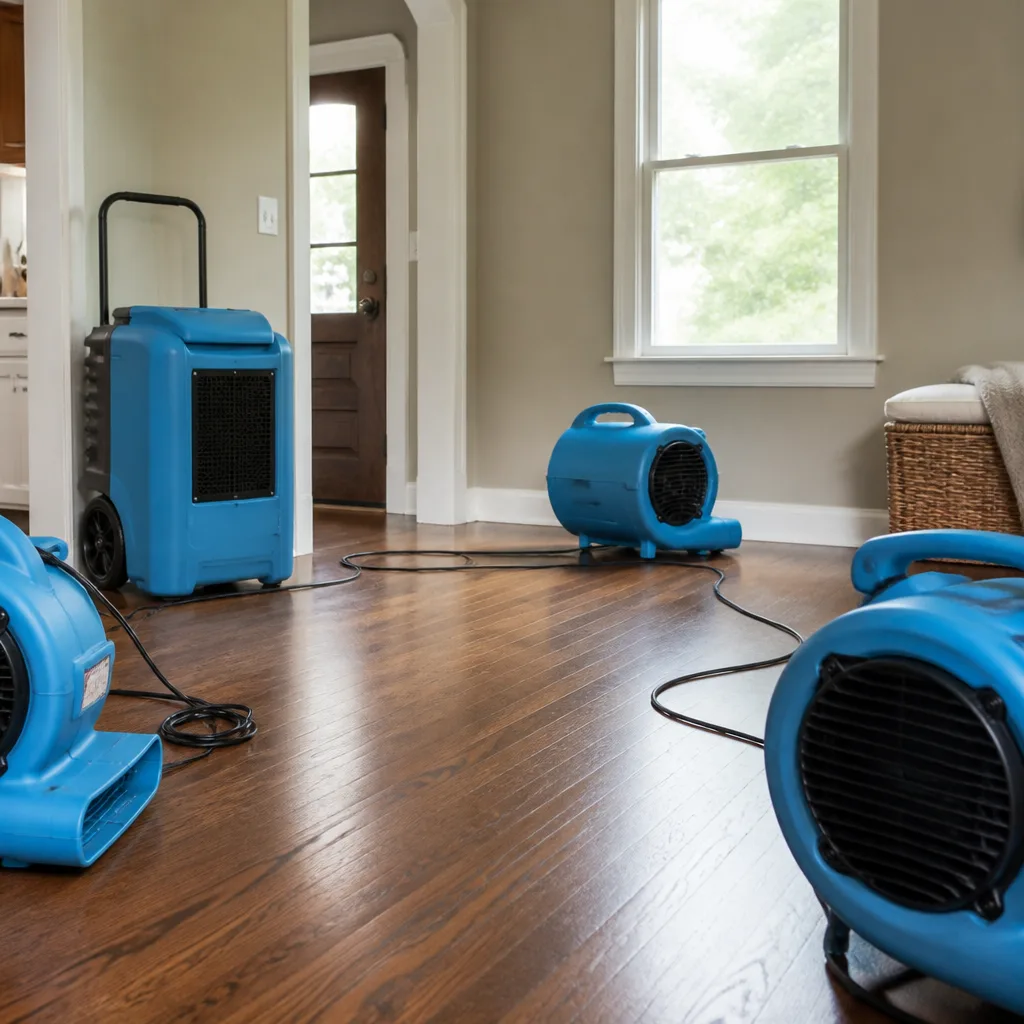
- The equipment to be used: For drying work, the scope should list equipment brands and quantities. Professional restoration crews in Jacksonville run Dri-Eaz, Phoenix, XPOWER, B-Air, and Injectidry equipment, and the drying plan follows IICRC standards for psychrometrics and drying chamber management. If the contractor shows up with a single box fan and a shop vac, the scope won’t meet the standard.
- The drying plan: Daily moisture readings, target moisture content for each affected material, and the criteria for when drying is complete. This is the documentation your insurance adjuster will expect to see.
- The price: Fixed, in writing, before work starts. No open-ended time-and-materials language that lets the price float upward. If the scope changes, there should be a written change order with a new price before the new work begins.
- The warranty: What’s covered, for how long, and what happens if the work fails. A one-year written guarantee with a free return visit is the floor, not the ceiling.
This is exactly what the Garrison Standard requires: written price before work starts, scope in writing, background-checked uniformed technicians, and a 365-Day Done Right Promise on every repair. The permit discussion is part of the scope conversation, not an afterthought. If a contractor won’t tell you in writing whether the job requires a permit, find a different contractor.
Common Mistakes to Avoid
- Assuming permits are the contractor’s problem. In Florida, the homeowner is ultimately responsible for permit compliance on their property. A contractor who skips a permit and disappears leaves the homeowner holding the liability. Always ask who is pulling the permit and verify it’s filed.
- Confusing mitigation with repair. Water extraction and drying don’t need permits. Structural repair does. Some contractors blur this line intentionally to avoid the permit process. Ask the contractor to put the permit determination in writing.
- Understating project value on the permit application. Duval County calculates fees on the stated valuation. A contractor who says “we’ll list it lower to save you permit fees” is asking you to falsify a public document. Don’t do it.
- Skipping the final inspection. A permit that was issued but never finalized is an open permit. In Duval County, open permits show up in public records and complicate a future sale. Ask to see the finaled inspection report before making final payment.
- Not pulling permit history before buying. The free ten-minute check on the Duval County portal can save you from buying a house with unpermitted structural repairs. Do it before you make an offer, not after the inspection contingency expires.
- Letting the insurance claim drive the permit decision. Some contractors skip permits because “the insurance company won’t pay for that.” The insurance company also won’t pay for a future claim if unpermitted work is found. Permits don’t depend on who’s paying.
- Trusting a verbal “this doesn’t need a permit” from a contractor. Get it in writing. If the contractor is wrong, you want a written record showing you asked the question and were told no permit was needed.
See the difference
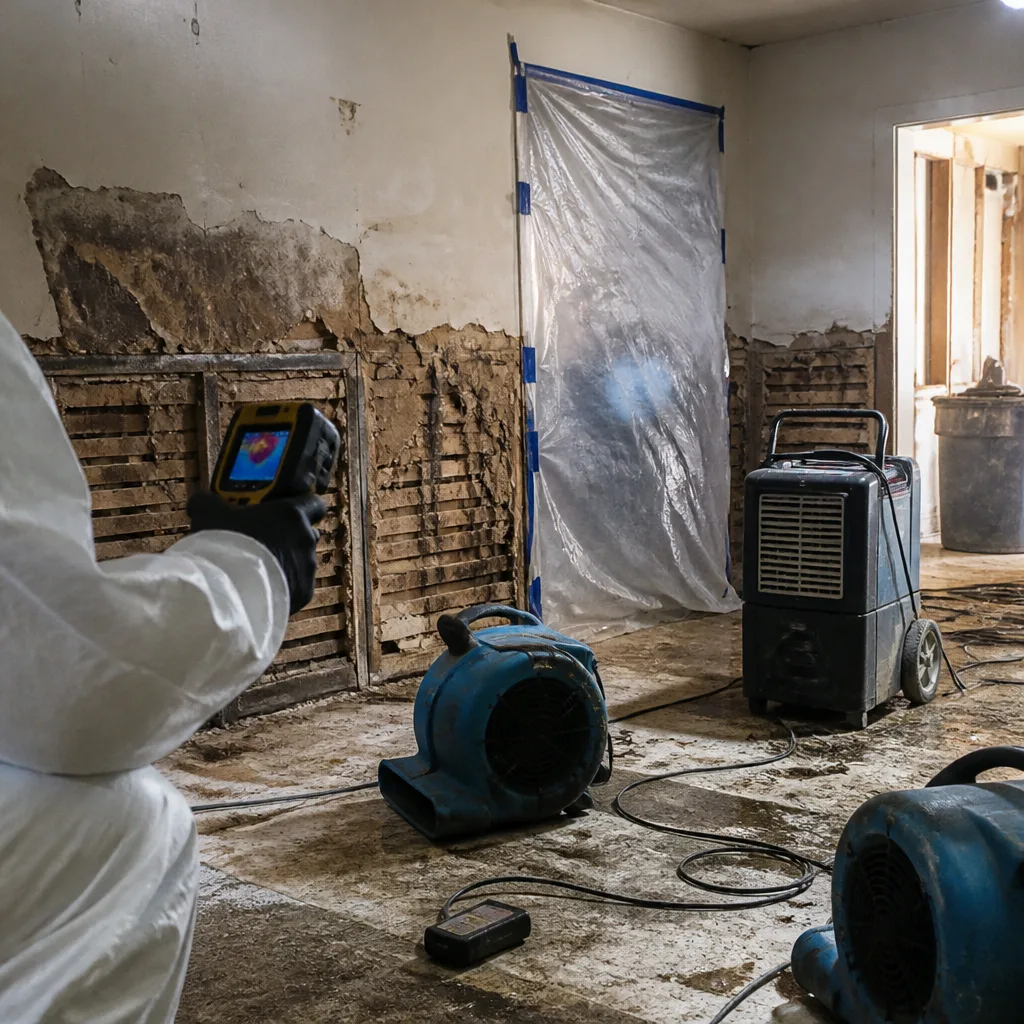 Before
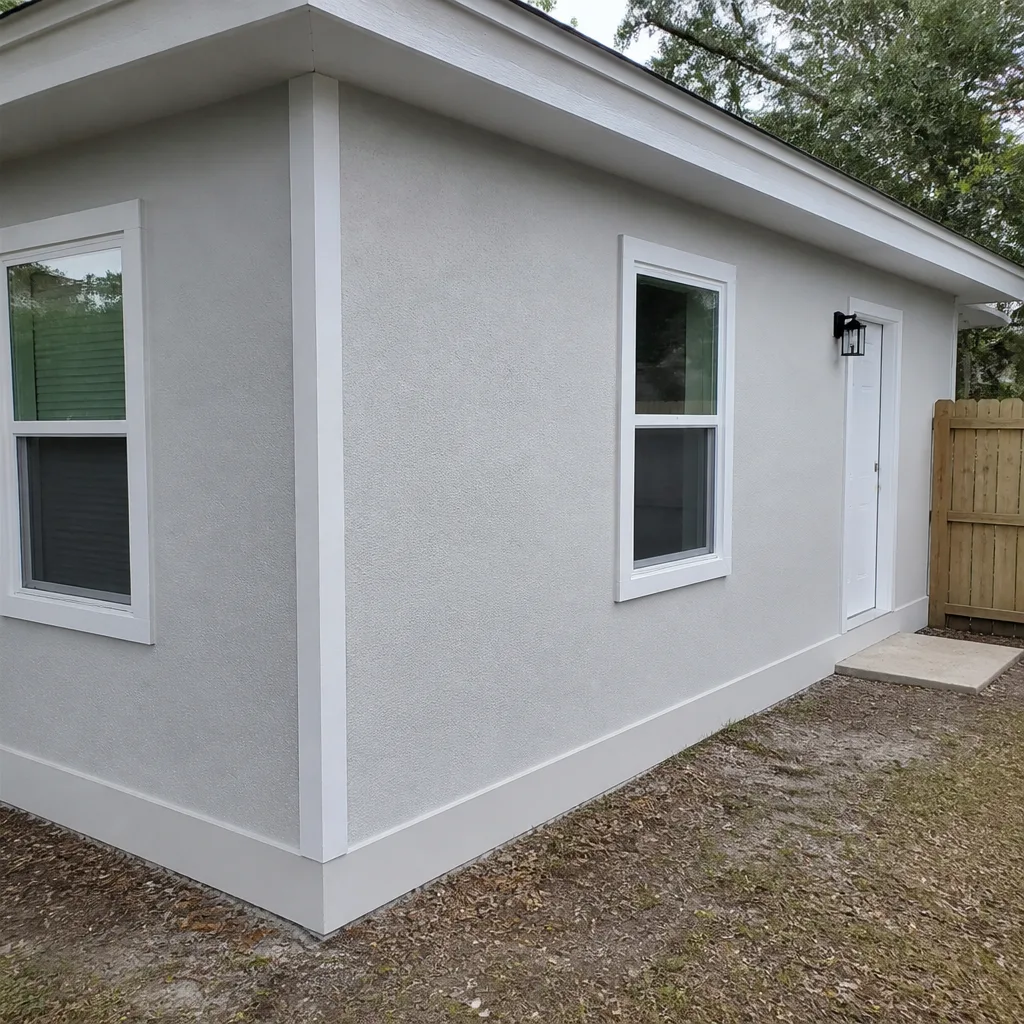 After
After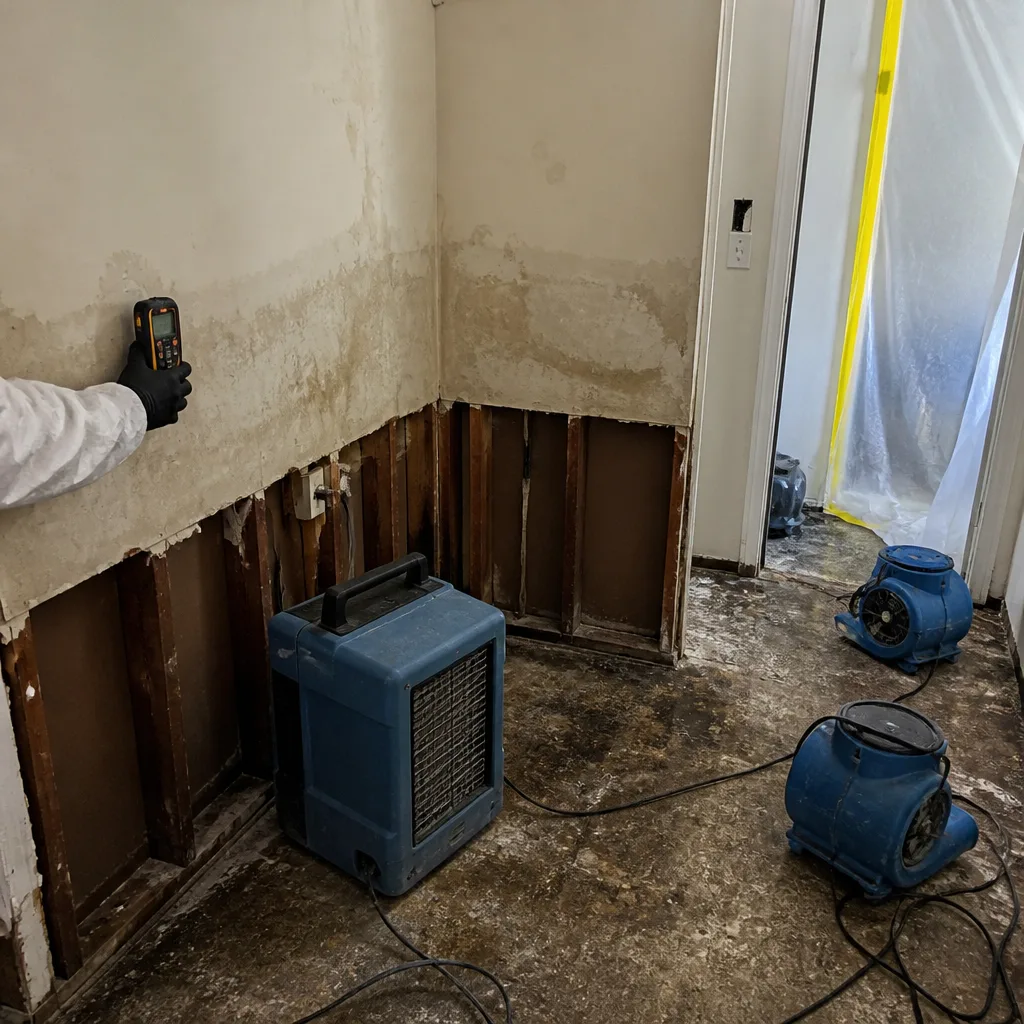 Before
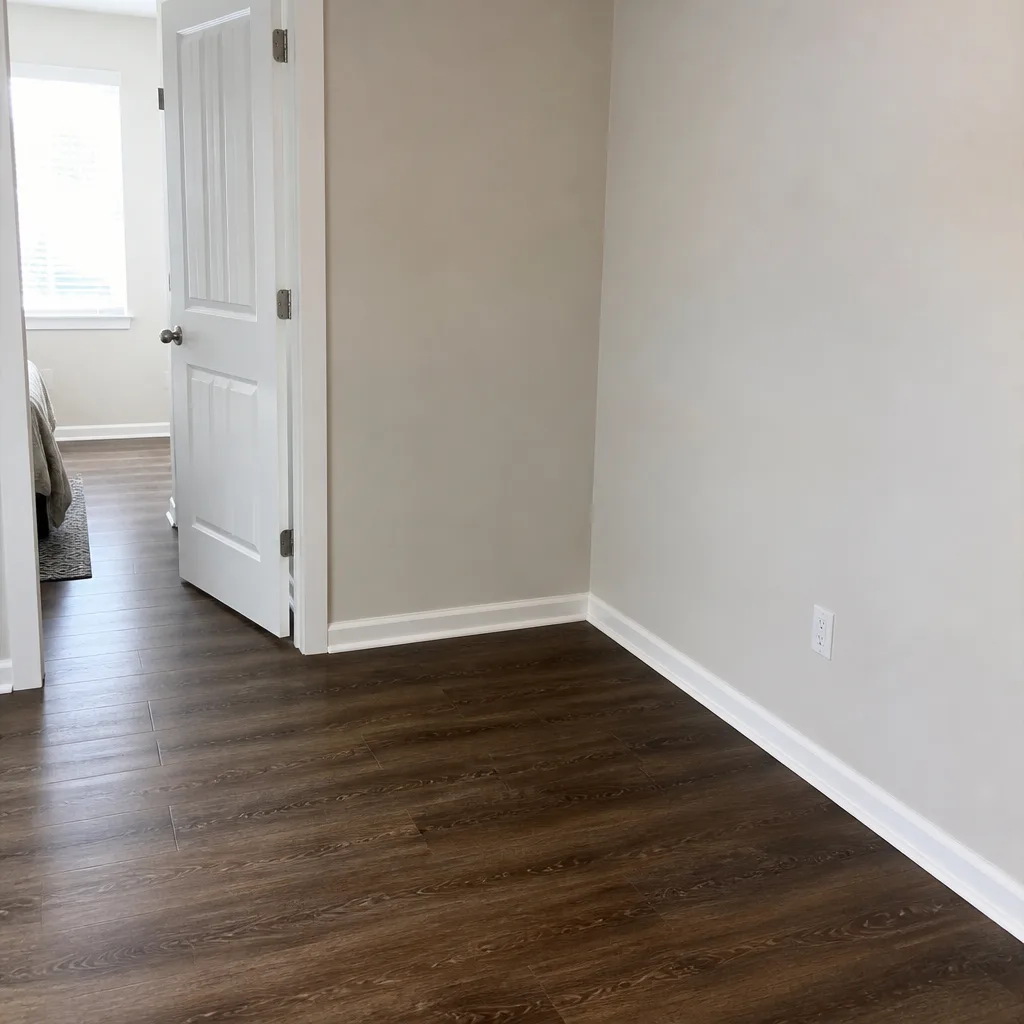 After
After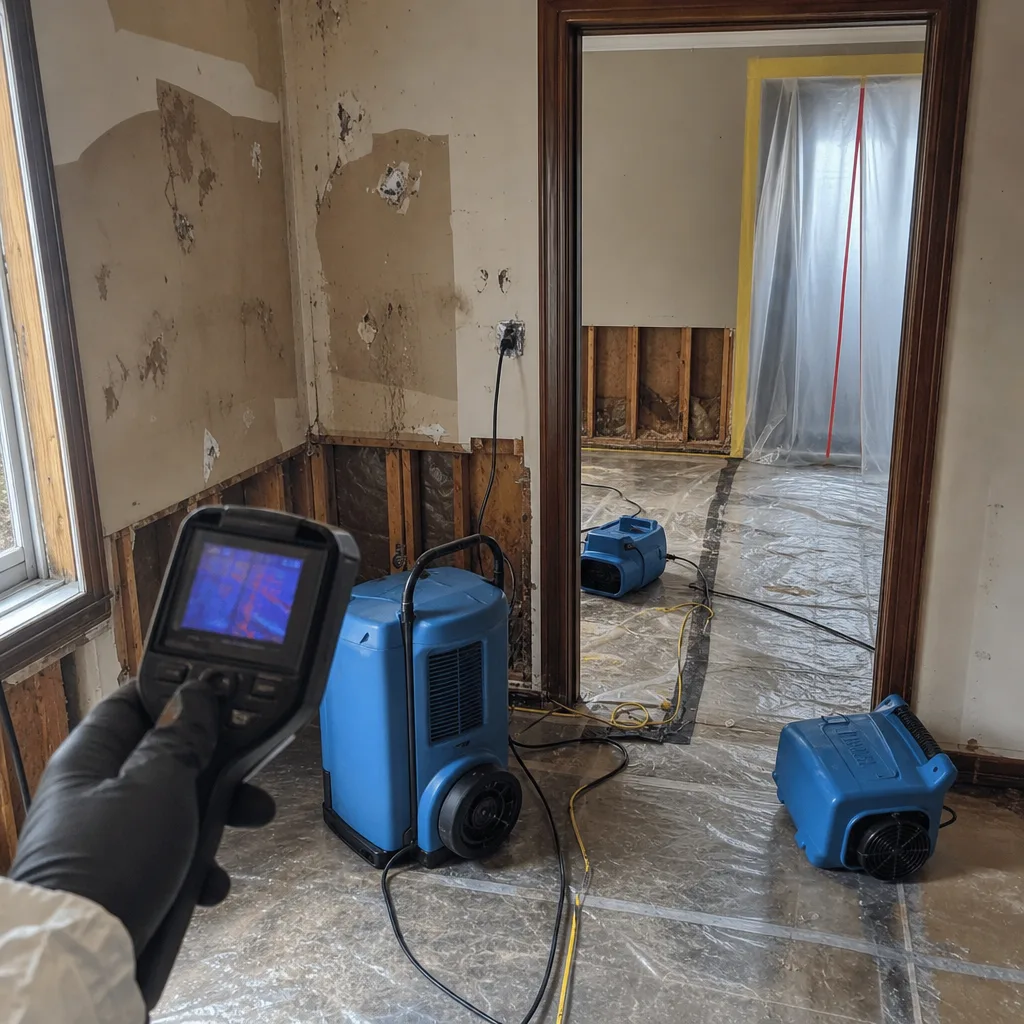 Before
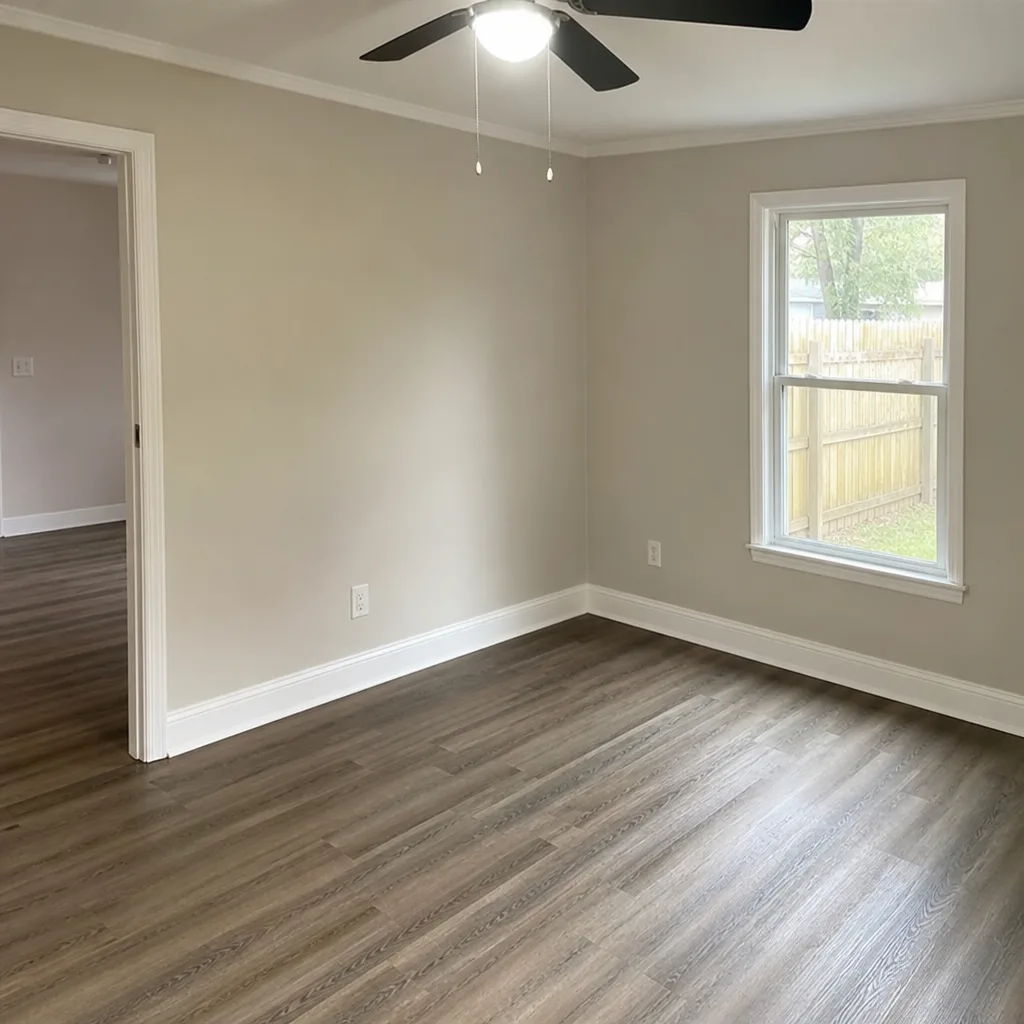 After
AfterWhen to Call a Professional
If your Jacksonville home has water damage beyond a small leak you can dry with towels, call a professional restoration company. The same applies to any fire damage beyond minor smoke cleanup and any visible mold growth larger than ten square feet. Structural repairs, electrical work, and plumbing work all require permits and inspections, and a professional contractor handles those while you focus on your family and your claim. A professional restoration crew will document the entire job, coordinate with your adjuster, and make sure the permit gets pulled and the inspection gets scheduled. Keegan Restoration Jacksonville offers free estimates in Jacksonville. Call (904) 664-5108 to have someone out to assess the situation and give you a written scope and price.
Frequently Asked Questions
Mitigation work like water extraction, drying, and removal of wet materials generally requires no permit in Jacksonville. Structural repairs such as framing replacement, subfloor repair, or electrical rewiring require a Duval County building permit. The determining factor is whether the work is mitigation (removing damaged material) or structural repair (installing new structural material). If the scope includes structural work, the permit is required regardless of the project cost. Call (904) 664-5108 if you’re unsure whether your damage requires a permit, and we’ll help you figure out the right path.
Most Florida homeowners insurance policies include coverage for permit fees as part of the “Building Ordinance or Law” coverage or as a miscellaneous claim expense. Permit fees typically cost between $100 and $500 for residential repair work in Duval County. Submit the permit fee receipt with your claim documentation, and be prepared to explain why the scope required a permit. If your adjuster questions the permit, having a written scope from your restoration contractor that clearly identifies structural work will strengthen your position.
You inherit the liability. Unpermitted structural repairs can cause problems when you sell, when you file an insurance claim, and when the work fails. You can ask the seller to have the work retroactively permitted and inspected, negotiate a price reduction, or walk away from the deal. Duval County allows retroactive permits in some cases, but the process typically requires opening walls or ceilings so the inspector can verify the hidden work meets code. If you find unpermitted work before closing, address it before closing, not after.
Under SB 2-A, Florida homeowners now have one year from the date of loss to file a new claim, reduced from the previous two years. Supplemental claims must be filed within 18 months of the date of loss. This shortened deadline makes documentation critical: file promptly, document everything with photos, and keep your contractor’s moisture logs and scope of loss because your adjuster will ask for them. Missing the deadline almost always results in claim denial.
Both are possible. A licensed contractor can pull the permit as the contractor of record, which is the standard practice for restoration work. A homeowner can also pull a permit as an owner-builder, but this requires signing an affidavit that you’ll personally supervise the work and you can’t delegate to an unlicensed person. For restoration work involving structural, electrical, or plumbing changes, the practical answer is that your restoration contractor should pull the permit. If a contractor resists pulling permits on structural work, that’s a warning sign worth paying attention to.
Duval County calculates restoration permit fees based on the valuation of the work, typically ranging from $100 to $500 for residential structural repair. The exact fee depends on the total estimated cost of construction as listed on the permit application. Understating the valuation to reduce the fee is a violation and can invalidate the permit. Ask your contractor to include the permit fee as a line item in the written scope so there are no surprises. For an exact quote on your restoration project, call (904) 664-5108.
The Bottom Line
Permits are the least expensive part of a restoration project and the most common point of failure. In Jacksonville, the line is clear: mitigation requires no permit, structural repair does. The Florida Building Code, Duval County’s local amendments, and post-Irma insurance reforms all push in the same direction: document the work, pull the permit when the scope demands it, and keep the inspection record clean. A homeowner who understands permitting before damage happens is in the strongest position after it does, and our more guides & resources can help you prepare. And when the damage is already there, the right contractor handles the permit question in the written scope before any work starts, not as an awkward surprise later.
Written by Shane Pruitt, Owner at Keegan Restoration Jacksonville, serving Jacksonville since 2005.