
Last updated October 16, 2026
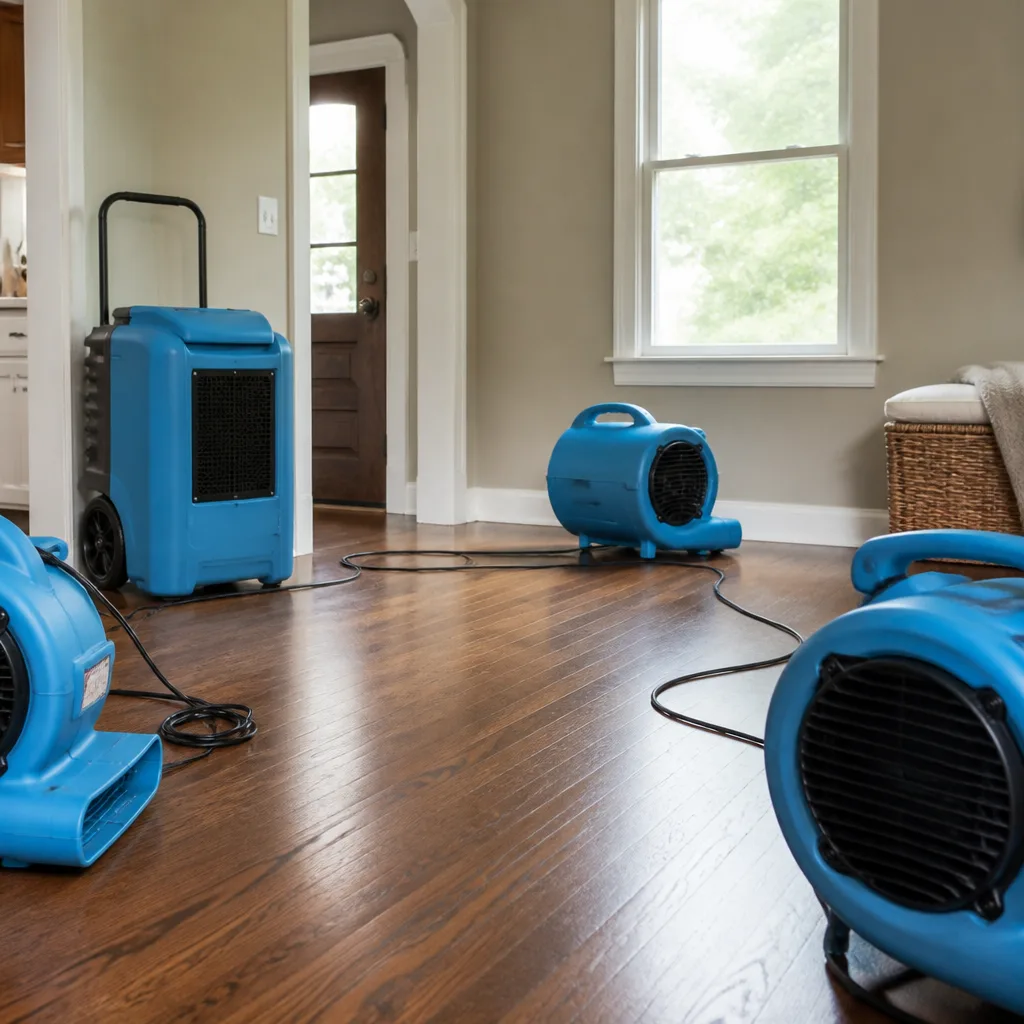 Water damage drying
 Fire & smoke cleanup
 Mold remediation
 Storm response
 Sewage cleanup
 Reconstruction
Free visual inspection and a written scope of work before any mitigation begins - photos, moisture readings, and drying logs go in your claim file
The scope we write is the scope we bill. Anything new gets shown to you, in writing, before we touch it.
Get your free estimateThe Complete Guide to Damage Restoration in Jacksonville
Jacksonville logs more named-storm events per decade than any other city on the First Coast, yet most “complete restoration guides” are written for a hypothetical American suburb with a basement, a structure that barely exists here. That mismatch matters. A homeowner in Mandarin following generic advice written for Ohio will miss the mold window, misread the drying phase, and walk into an insurance negotiation without the documentation Florida adjusters actually expect. This guide fixes that. We’ll walk through the full restoration sequence as it plays out in Duval County specifically: what the water table does to slab homes, why drying takes longer here than in Orlando, what your adjuster needs to see, and how to read a scope of work without getting taken. If you own a home in Jacksonville, this is the reference you’ll want saved before the next storm, not after.
Restoration work we handle
Quick Answer
Damage restoration in Jacksonville means returning a home to its pre-loss condition after water, fire, or mold damage, and it follows four phases: emergency mitigation, structural drying, repair, and rebuild. Because of Jacksonville’s subtropical humidity, high water table, and clay-heavy soil, drying takes 3 to 5 days on a typical water loss, not the 2 to 3 days common in drier inland cities. Homeowners who document every phase properly, ideally with moisture logs and photo evidence formatted for Florida insurance claims, recover more of their claim and avoid the 48-hour mold threshold that Duval County’s climate accelerates.
Table of Contents
- Jacksonville’s Unique Damage Profile
- The Four Phases of Restoration in Jacksonville
- Water Damage Restoration: How Drying Actually Works Here
- Fire Damage Restoration: Soot, Smoke, and What Comes After
- Mold Remediation in a Subtropical Climate
- Insurance Documentation: Florida Standards That Actually Matter
- How to Read a Restoration Estimate Line by Line
- Common Mistakes to Avoid
- When to Call a Professional
- Frequently Asked Questions
- The Bottom Line
Jacksonville’s Unique Damage Profile
Jacksonville sits on a foundation of sandy soil over dense clay, with a water table that runs high across much of the city, especially in low-lying areas near the St. Johns River and its tributaries. That combination does two things. First, water doesn’t drain away from a slab foundation the way it does in Orlando or Tampa. It lingers. The soil around the foundation stays saturated, which means moisture continues migrating into the slab long after the visible standing water is gone. Second, the clay layer acts like a slow-release sponge. It absorbs water during a flood or a pipe break, then feeds that moisture back into the home’s envelope for weeks. We’ve walked into homes in Riverside and San Marco where the visible water was removed the day before, but the baseboards were already reading 20 percent moisture content because the soil outside was pushing dampness back through the slab. That’s a Jacksonville problem, not a generic Florida problem.
The humidity compounds it. Jacksonville’s average relative humidity runs above 70 percent for most of the year, and during hurricane season it routinely sits in the 80s. When you combine ambient humidity with moisture trapped in building materials, the result is a dew point that hovers inside the wall cavity. That’s the threshold where mold spores germinate. In a dry climate, you might have 72 hours before mold becomes a problem. In Jacksonville during the summer, the window is closer to 36 to 48 hours. A homeowner who delays mitigation on a Friday and waits until Monday has likely crossed the line, especially if the home lost power and the air conditioning is off. That’s not scare talk. That’s psychrometrics, and it’s why every water damage restoration in Jacksonville job we run starts with a moisture map, not a mop.
Then there’s the storm exposure. Jacksonville’s position on the Atlantic means it absorbs the full force of hurricanes and tropical storms that have crossed warm water for hundreds of miles. The city also sits at the mouth of the St. Johns River, which funnels storm surge inland. Homes in San Marco, Avondale, and parts of Arlington have flooded from riverine surge without ever taking a direct hurricane hit. When you add wind-driven rain intrusion through aging roofs and the occasional tornado spin-up, you get a damage profile that is more complex than what a restoration crew in Gainesville or Tallahassee typically sees. The right company for this city runs equipment built for deep extraction and long-duration drying, not quick shop-vac jobs.
The Four Phases of Restoration in Jacksonville
Restoration in Jacksonville follows a strict sequence. Skip a phase or rush one, and the work fails. Here’s how it breaks down:
- Emergency mitigation: This is the stop-the-bleeding phase. Water is extracted, damaged materials are removed, and the site is stabilized. In Jacksonville, mitigation typically begins within 1 to 2 hours of the initial call for urgent water losses, because every hour of standing water in a humid climate deepens the damage. For fire losses, mitigation means boarding up openings, tarping roofs, and removing debris that poses a secondary hazard.
- Structural drying: After extraction comes drying. This phase uses air movers, dehumidifiers, and, in some cases, specialized systems like Injectidry floor mats that pull moisture from beneath hardwood and tile. In Jacksonville, drying typically runs 3 to 5 days, and we monitor daily with moisture meters and psychrometric readings rather than guessing. Rushing this phase is the single most common cause of failed restoration work in Duval County.
- Repair: Once materials are dry and mold-free, the repair phase begins. This includes drywall replacement, flooring, paint, trim, and structural repairs. The scope depends on what was removed during mitigation. A Category 1 water loss from a clean supply line might only require drying and a small patch. A Category 3 loss from sewage or storm surge requires full removal of affected materials and more extensive rebuild work.
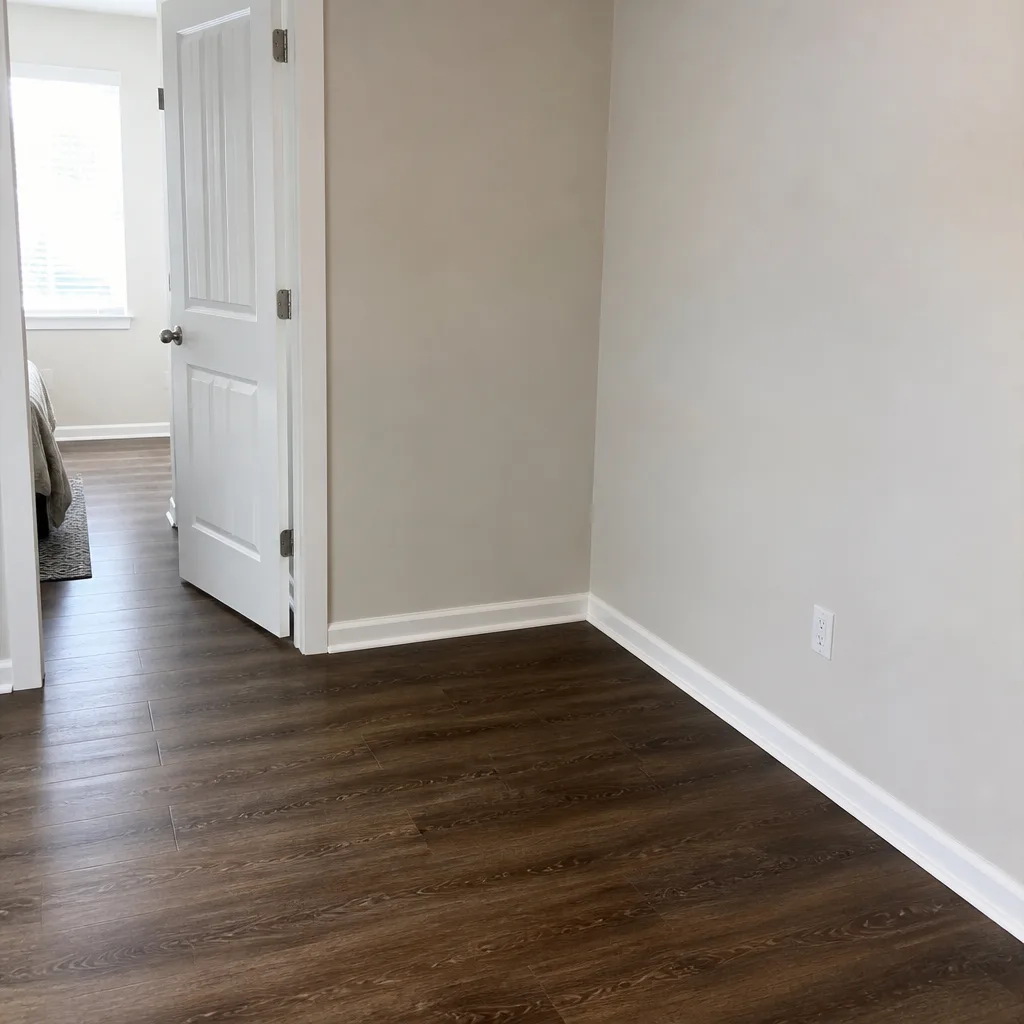
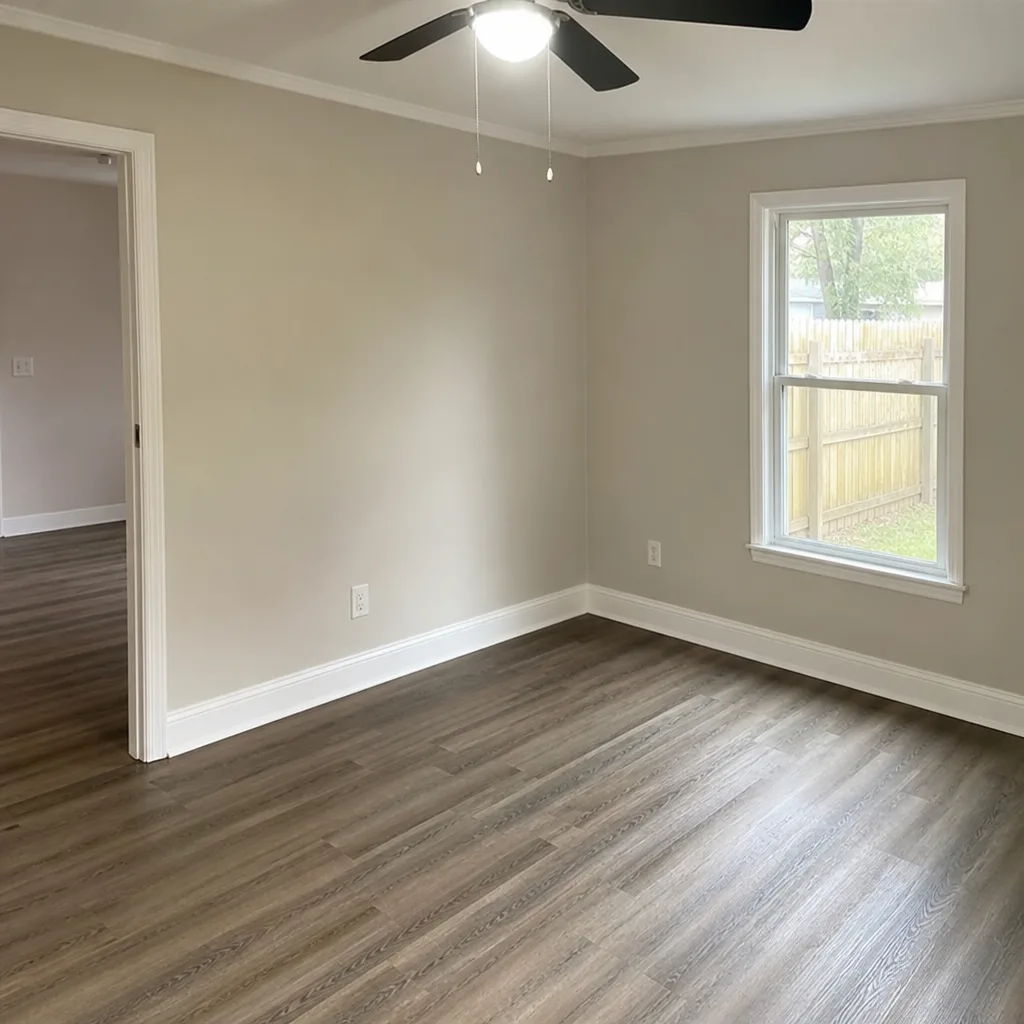
- Rebuild: The final phase is reconstruction to the home’s pre-loss condition. This is scoped, priced, and scheduled like a remodel. That’s a good thing: it means the guesswork is gone and the homeowner sees a written scope before the first board is cut. In Jacksonville, rebuild work often includes updates required by current Duval County building codes, which can add cost but also brings the home up to modern wind-load and flood-resistant standards.
What trips up most homeowners is the gap between phases three and four. Mitigation and drying happen fast because the emergency demands it. Repair and rebuild move slower because they involve permits, materials lead times, and skilled trades. A good restoration company in Jacksonville explains that cadence up front so you’re not standing in a gutted living room wondering why nobody is swinging a hammer on day two, and you can learn more about Damage Restoration Permits, Codes & Inspections in FL: What You Need to Know to understand why those delays happen.
Water Damage Restoration: How Drying Actually Works Here
Water damage restoration in Jacksonville is a different job than it is inland. The reason is psychrometrics, the study of how moisture moves through air and materials. In a dry climate, you can open windows and let nature help. In Jacksonville, opening windows during the summer often makes the problem worse because you’re introducing 80 percent humidity into a structure that needs to hit 30 to 40 percent relative humidity to dry properly.
The drying process on a typical Jacksonville water loss looks like this:
- Extraction: Professional-grade extractors pull standing water from carpet, padding, and hard surfaces. The goal is to remove as much water as possible before drying begins. In a slab home, this also means checking for water that has migrated beneath flooring and into wall cavities.
- Containment and airflow: Air movers are positioned to create turbulent airflow across wet surfaces. This forces moisture into the air, where dehumidifiers pull it out. On a standard water loss in Jacksonville, we typically deploy 4 to 8 air movers and 1 to 2 commercial dehumidifiers, depending on square footage and how far the water spread.
- Dehumidification: This is where the Jacksonville humidity problem gets solved. Commercial dehumidifiers from Dri-Eaz and Phoenix pull gallons of water from the air each day. A single high-capacity dehumidifier can remove 100 to 150 pints of water daily, which matters when the outdoor dew point is in the 70s. Without this step, the moisture extracted from the floor simply re-condenses on the walls overnight.
- Daily monitoring: A proper Jacksonville water damage job includes daily moisture readings. We check moisture content in drywall, baseboards, subflooring, and framing. The drying is complete only when all materials read below the threshold where mold and rot can take hold. In this climate, that means verifying, not assuming.
One thing we see often in Jacksonville: water migrating beneath tile installed over concrete slab. Tile looks dry on the surface, but moisture is trapped underneath. That’s where specialty equipment like the Injectidry system or XPOWER air movers with injection attachments comes in. These systems force dry air into the void beneath the flooring, which is the only way to dry it without tearing out tile that didn’t need to be replaced. If a contractor doesn’t have this equipment, their alternative is demolition, which costs dramatically more. That’s a concrete example of why equipment matters in Jacksonville specifically.
For a deeper look at this process, see our full water damage restoration in Jacksonville page.
Fire Damage Restoration: Soot, Smoke, and What Comes After
Fire damage in Jacksonville homes follows a different path than water damage, but the discipline is the same: stabilize, document, clean, rebuild. The first thing every Jacksonville homeowner should know is that smoke damage extends far beyond the room where the fire burned. Smoke is a gas, and it travels through the building envelope the same way heat does: into wall cavities, through HVAC ducts, behind cabinets, and into closets that never saw flame. A fire in the garage can leave soot residue in a bedroom on the opposite side of the house.
The restoration sequence for fire damage typically includes:
- Board-up and tarping: Securing the structure against weather, animals, and intrusion. In Jacksonville, this happens fast because afternoon thunderstorms and humidity wait for no one.
- Soot and smoke removal: Professional cleaning of all affected surfaces using specialized sponges, HEPA vacuums, and chemical agents designed for protein soot, which is different from the soot from a wood fire. Protein soot from a kitchen fire is nearly invisible but highly acidic and corrosive.
- Odor elimination: This is the part homeowners underestimate. Smoke odor lives in porous materials: drywall, insulation, carpet pad, furniture. Ozone and hydroxyl generators can help, but the real solution is often removal of affected materials and sealing of structural framing. In Jacksonville’s humidity, odor-retentive materials hold smoke smell longer than they would in a dry climate.
- Content cleaning and storage: Belongings that survived the fire need cleaning and sometimes off-site storage during the rebuild. Insurance policies in Florida typically cover this, but documentation matters. Every item packed out should be inventoried with photos.
- Repair and rebuild: Structural repair, drywall replacement, paint, flooring, and finishing. This phase is scoped and priced in writing before work begins, the same way a remodel would be.
One detail specific to Jacksonville: many older homes in neighborhoods like Springfield and Murray Hill have plaster walls and original wood framing that predates modern fire codes. Those materials respond differently to fire and smoke than modern drywall over stud construction. A restoration crew that knows Jacksonville’s housing stock will know how to clean original lath and plaster without destroying it, and when it’s cheaper and safer to remove and rebuild. That’s local knowledge, not generic training. Read our fire damage restoration in Jacksonville guide for more detail.
Mold Remediation in a Subtropical Climate
Mold remediation in Jacksonville is a year-round business, not a seasonal one. The same humidity that makes the city livable in January also makes it a mold factory. The key number is this: mold needs moisture above roughly 60 percent relative humidity on a surface to germinate, and Jacksonville’s ambient indoor humidity in a home without functioning AC can hit that mark in under 24 hours after a water event. Once germination starts, colonies can become visible within 48 to 72 hours. That’s the window.
What most homeowners don’t understand is the difference between cleaning and remediation. Cleaning addresses surface mold on non-porous materials like tile, glass, and metal. Remediation addresses mold that has penetrated porous materials: drywall, insulation, carpet pad, wood framing. The distinction matters because surface cleaning alone won’t stop mold that has rooted into the back side of a sheet of drywall, and in Jacksonville’s climate, that root system will grow back within weeks.
The remediation process follows a set sequence:
- Containment: The affected area is sealed with plastic sheeting and negative air pressure to prevent spores from spreading to clean areas of the home during removal. This is non-negotiable.
- Air filtration: HEPA air scrubbers run during the entire job. In Jacksonville, where outdoor spore counts are high, this step also protects the rest of the house from cross-contamination.
- Removal: Affected porous materials come out, bagged and sealed. In a proper mold remediation job, the question isn’t “can we save this drywall?” It’s “what is the moisture history of this drywall?” If it’s been wet longer than 48 hours, it goes.
- Cleaning and treatment: Remaining structural surfaces are cleaned with antimicrobial treatments and HEPA vacuuming. The goal is not to sterilize the space (impossible in a real-world home), but to return spore counts to normal background levels for Jacksonville, which is a local baseline, not a lab’s.
- Verification: Post-remediation testing confirms the job worked. We document this with moisture readings and, when requested, third-party spore sampling.
A Jacksonville-specific warning: homes with central air conditioning that has been offline for more than a few days after a water event often grow mold inside the HVAC system itself, especially in the ductwork and around the evaporator coil where condensation collects. That’s a separate remediation job from the visible mold on the walls, and if a contractor skips it, the mold comes back through the vents. Check the ducts. Ask the question. In this climate, it’s the right question to ask. Our mold remediation in Jacksonville page covers this in depth.
Insurance Documentation: Florida Standards That Actually Matter
Florida insurance claims are a different animal than the rest of the country. The state’s property insurance market has tightened dramatically over the last decade, and adjusters in Duval County are more likely to scrutinize documentation than they were ten years ago. What that means for a Jacksonville homeowner: your restoration company’s documentation habits directly affect your claim outcome. Photos taken on a phone with no timestamps, moisture readings logged on a notepad that no one kept, and vague scope language all give the carrier room to undervalue the loss.
The documentation that moves a Florida claim forward includes:
- Photo evidence from the first visit: Wide shots showing the full room, close-ups showing damage detail, and shots with a scale reference. Every photo should be timestamped and geotagged. We photograph every room we touch, including the ones that look fine, because adjacent-room moisture often shows up later.
- Moisture logs: Daily moisture readings in every affected room, recorded with the meter’s serial number and the date and time of reading. These logs demonstrate that drying actually occurred and that the materials reached the target dryness. Florida adjusters ask for these on water claims, and having them builds your position.
- Scope of loss: A written scope describing what was damaged, what was removed, and what the repair plan is. This document should use industry-standard terms: Category 2 water, Class 3 drying, affected square footage, linear feet of baseboard removed. We’ll get into what those terms mean in the next section.
- Equipment records: A log of what equipment was deployed, when, and for how long. This supports the drying portion of the claim and shows the carrier that proper mitigation occurred, not just a fan in the corner for two days.
- Final verification: Post-restoration moisture readings and photos showing the completed drying or repair. This closes the loop and gives the adjuster a clean file.
One more Jacksonville note: Florida has specific rules about assignment of benefits, the practice of a homeowner signing over their insurance rights to a contractor. Those rules changed in 2019 and again since. A reputable restoration company in Jacksonville will explain your options without pushing you to sign anything you don’t understand. We believe in putting the price in writing and the claim facts in order, and letting the homeowner remain in control of their own policy. That’s part of The Garrison Standard, and it’s how we’ve run every job since 2005.
How to Read a Restoration Estimate Line by Line
Most homeowners look at a restoration estimate and see a wall of line items with strange vocabulary and dollar amounts. Here’s how to read a scope of work without getting lost, using the terms that actually appear on a written estimate in Jacksonville.
Category of water: This classification tells you how contaminated the water is. Category 1 is clean water from a supply line or faucet. Category 2 is gray water, meaning it contains contamination from sources like washing machine discharge or a dishwasher overflow. Category 3 is black water, meaning sewage, storm surge, or river water. Category 3 means the affected porous materials are removed, not dried. If you see “Category 3” on your scope and the line items only include drying and cleaning, ask questions. The materials should be coming out.
Class of water damage: This describes how far the water spread and how much of the structure is wet. Class 1 is a small area with minimal absorption. Class 2 is larger area with water in carpet and walls. Class 3 is when water has saturated walls, insulation, and flooring across most of a room. Class 4 is specialty drying, meaning water has penetrated materials that hold moisture tightly, like hardwood, concrete, or plaster. Class 4 drying requires specialty equipment like Injectidry mats or desiccant dehumidifiers, and it costs more because it takes longer and uses more gear. If your scope says Class 4 and the equipment list only shows two air movers, the estimator either misclassified or under-scoped the job.
Drying goal and moisture content: Look for a stated drying goal in the scope, typically expressed as a target moisture content for building materials. In Jacksonville, that target matters. We aim for moisture content below 12 to 15 percent in wood framing and below about 8 to 10 percent in drywall, which sounds dry until you realize that ambient humidity in this city can push those numbers up between readings. A scope that doesn’t state targets is a scope that can’t be verified.
Line items for removal vs. repair: A clear scope separates what’s being removed now from what’s being repaired later. Removal is mitigation. Repair is rebuild. If those two are lumped together in one big number, you can’t see what you’re paying for at each phase. We separate them so the homeowner sees exactly where the money goes and why.
Overhead and profit: Insurance scopes typically include a line for overhead and profit, usually 10 percent each, which is standard in Florida. This is not a scam. It’s how contractors cover project management and business costs. The key is that it should be clearly stated, not buried. If it’s not on the estimate, ask where it is.
Reading a scope this way takes ten minutes. It’s the difference between understanding your invoice and signing something you’ll be explaining to your adjuster later.
Common Mistakes to Avoid
- Waiting to call after a water event. In Jacksonville’s climate, the mold clock starts within 24 hours, not the 72-hour window you might see in a generic guide. Every hour of delay in August heat means more saturation and a longer, more expensive drying phase.
- Opening windows to “air it out.” In Duval County summers, outdoor humidity runs 70 to 80 percent. Opening windows after a water loss introduces more moisture into the structure, not less. Run the AC or dehumidifiers, and keep the envelope closed.
- Hiring the first contractor who shows up without a written scope. The homeowner who signs an estimate without line items is volunteering for a surprise at the end. Get it in writing before work starts. If a contractor won’t put the price in writing, find one who will.
- Skipping the moisture monitoring phase. Rushing to put drywall back before the framing is actually dry is how you get mold growing inside a wall in six months. Proper drying in Jacksonville takes 3 to 5 days, sometimes longer. Let the meters tell the truth.
- Assuming the insurance company will figure it out. Florida carriers process thousands of claims after every storm season. The homeowner with organized documentation, a written scope, and daily moisture logs is the homeowner whose claim moves. The one with a vague story is the one who waits.
- Ignoring the HVAC system after a water or mold event. In Jacksonville, the AC runs most of the year, and the ductwork is a moisture trap. Check the ducts and the evaporator coil. If they’re contaminated, the problem spreads through the whole house.
- Treating floodwater as clean water. St. Johns River water and storm surge are Category 3. That means removal, not drying, and it means the affected area needs antimicrobial treatment. Treating river water like a clean pipe break is a health risk.
When to Call a Professional
Call a restoration professional when water has spread beyond a single room, when the water source is sewage or storm surge, when electrical systems may have been exposed, or when you smell smoke or see visible mold growth. Those are the scenarios where doing it yourself creates more damage and more risk. The same goes for any water event that happened while you were away, especially in Jacksonville, where the humidity means a leak that ran for a weekend has already begun the mold cycle. If you’re unsure whether you need a full restoration or just a good cleaning, call and ask. A professional will tell you straight. Keegan Restoration Jacksonville offers free estimates in Jacksonville, and you can reach us at (904) 664-5108.
Frequently Asked Questions
Water damage restoration in Jacksonville typically ranges from $1,500 to $5,000 for a standard Category 1 or 2 loss in a single room, while whole-home flood or Category 3 sewage work runs $10,000 to $30,000 or more depending on square footage and materials. Fire damage restoration commonly starts around $3,000 for a small kitchen fire and climbs well past $30,000 for a structural fire. Mold remediation in Jacksonville typically runs $2,000 to $8,000 for a contained area, with whole-home work running higher. These are real market ranges for this city, and for a deeper breakdown see Damage Restoration Cost Breakdown: The Jacksonville Homeowner’s Reference for 2026; the best way to get an exact number is still to have a professional walk the site and put a written scope in your hand. Call (904) 664-5108 for a free estimate.
In Jacksonville, a professional restoration company should be able to have a crew on site within 1 to 2 hours for urgent water losses, and same-day for fire and mold calls in most cases. A live person answers the phone 24 hours a day at Keegan Restoration Jacksonville, and after-hours calls are dispatched the same night rather than queued for the morning. When water is actively damaging a home in Jacksonville’s humidity, speed is mitigation, not convenience.
Most homeowners insurance policies in Florida cover sudden and accidental water damage, fire damage, and mold remediation when the mold results from a covered water loss. The key variable is documentation: photos, moisture logs, a written scope, and a clear chain of evidence from the first visit to the final repair all strengthen your claim. A restoration company that formats its job documentation for Florida adjusters is doing more than cleaning up, it’s building your claim file.
If the mold covers more than about 10 square feet, if it penetrated porous materials like drywall and insulation, or if the water source was sewage or storm surge, full remediation is the honest answer. Surface cleaning works for surface mold on tile or metal. Everything else is a removal job, and in Jacksonville’s climate, a half-measure comes back within weeks. A professional can tell you which situation you’re in during the first visit.
You do, with support from your restoration company. The contractor documents the loss, provides the moisture logs and scope, and can speak with the adjuster about the technical details of the job. But the policy is yours, and the claim is yours. A reputable Jacksonville restoration company will make sure you understand every step without pushing you to sign away your rights, which is how The Garrison Standard has worked on every job since 2005.
Shut off the water source if you can do so safely, kill power to affected rooms at the breaker if water has reached outlets or appliances, and call a restoration company. Move valuables and furniture out of the wet area if it’s safe. Do not open windows to dry the space in Jacksonville’s humidity. Take photos of everything before anyone moves anything, and get a professional on the way. The first hour determines how long the drying phase runs.
The Bottom Line
Damage restoration in Jacksonville is a local job, not a generic one. The water table, the humidity, the clay soil, and the storm exposure create conditions that a cookie-cutter restoration process gets wrong. The homeowners who come out ahead are the ones who act fast, understand the phases of the work, demand a written scope, and keep documentation formatted for Florida’s insurance standards. That’s the entire game. Do those four things, and you’ve already solved most of the problems other homeowners hit. If you’re in Jacksonville and need a hand, explore our more guides & resources or call (904) 664-5108 and ask for a free estimate. We’ll put the price in writing before anything starts, and we’ll stand behind the work for a full year.
Written by Shane Pruitt, Owner at Keegan Restoration Jacksonville, serving Jacksonville since 2005.
See the difference
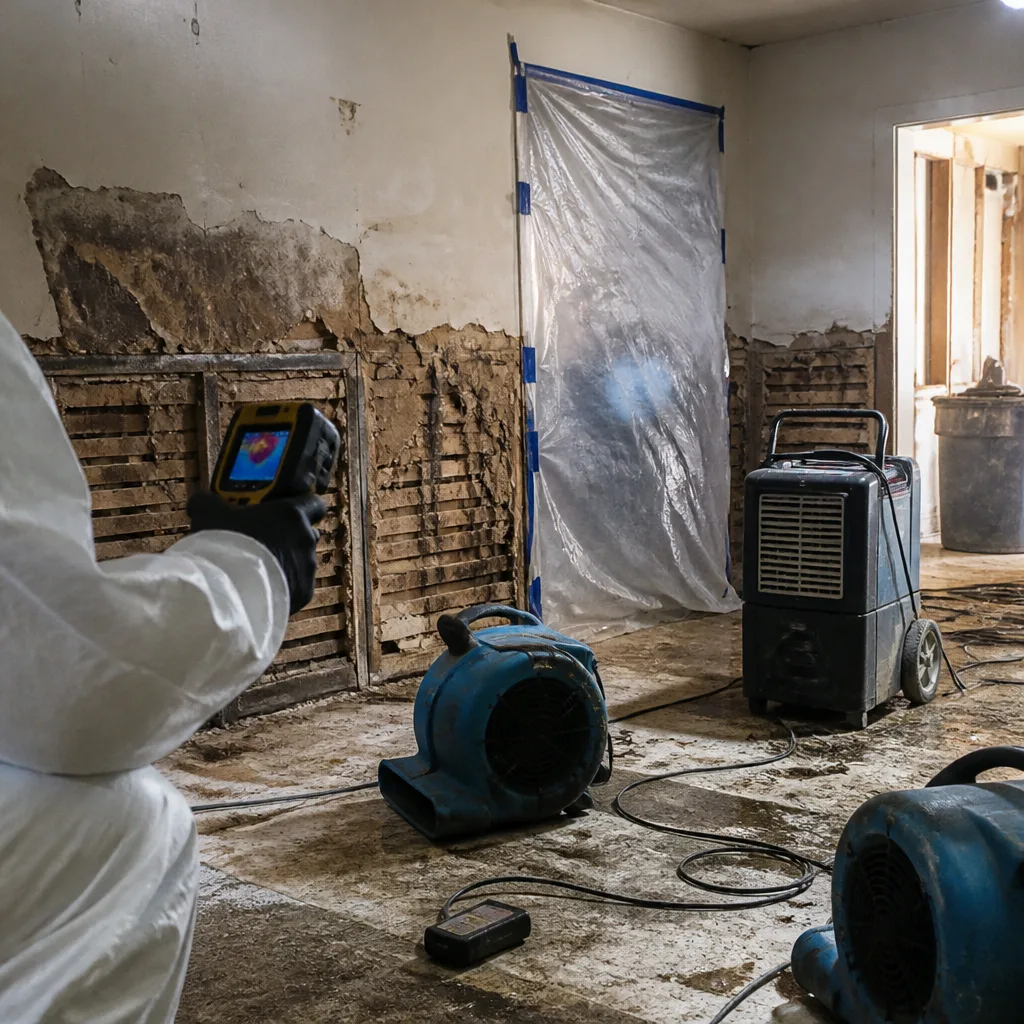 Before
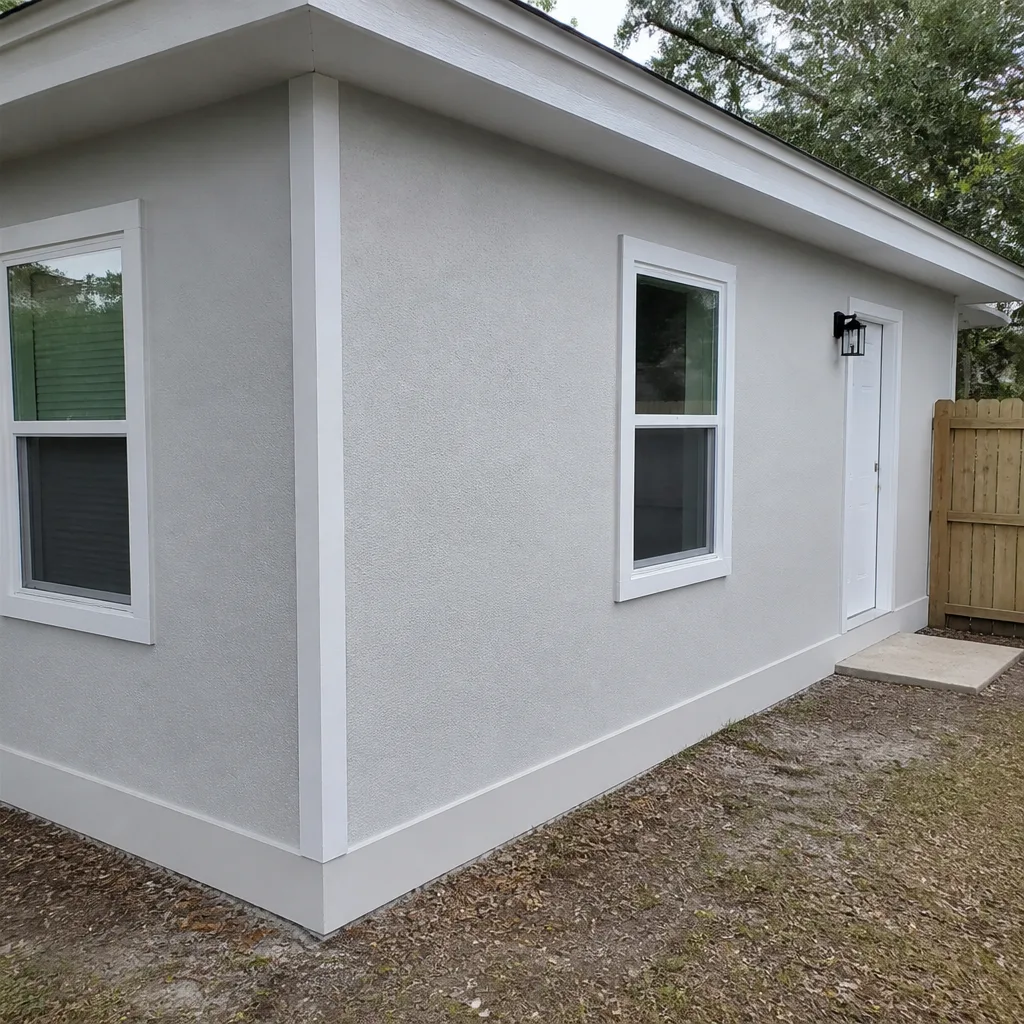 After
After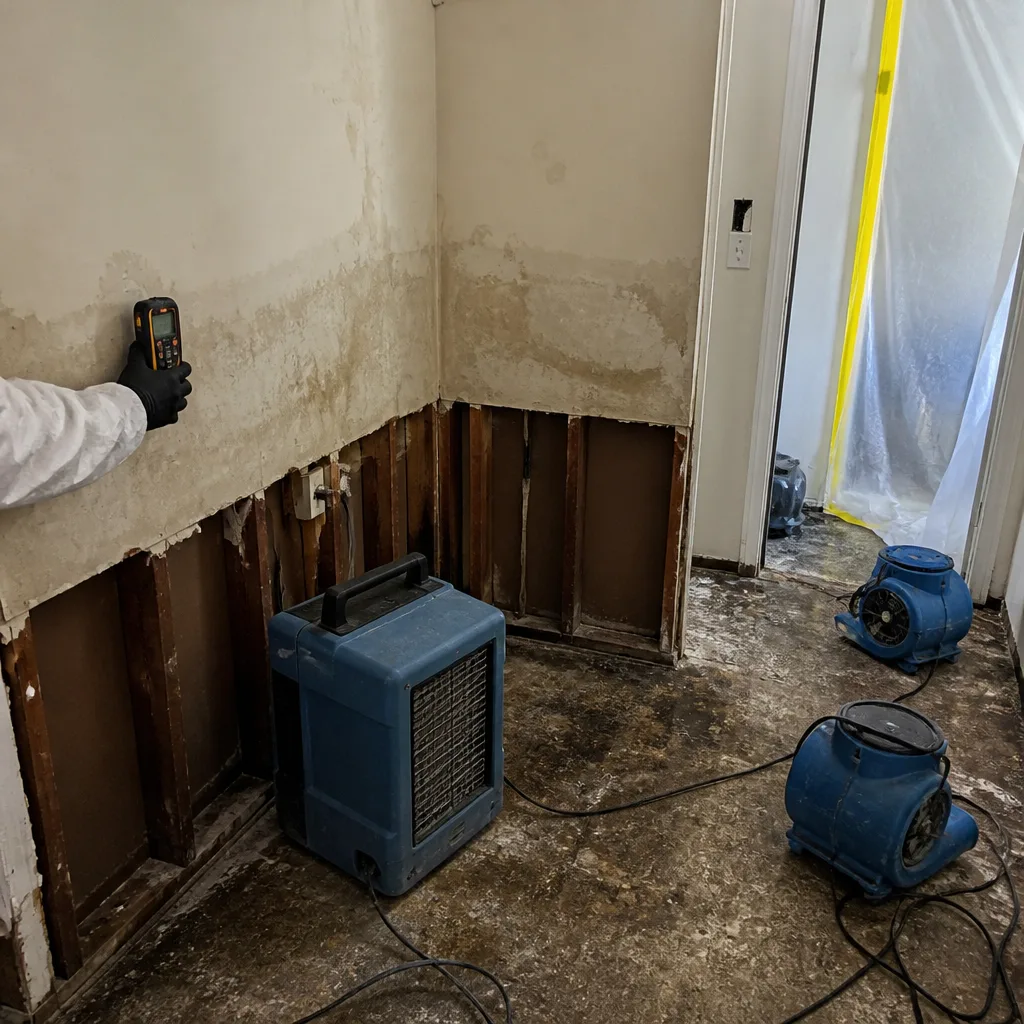 Before
 After
After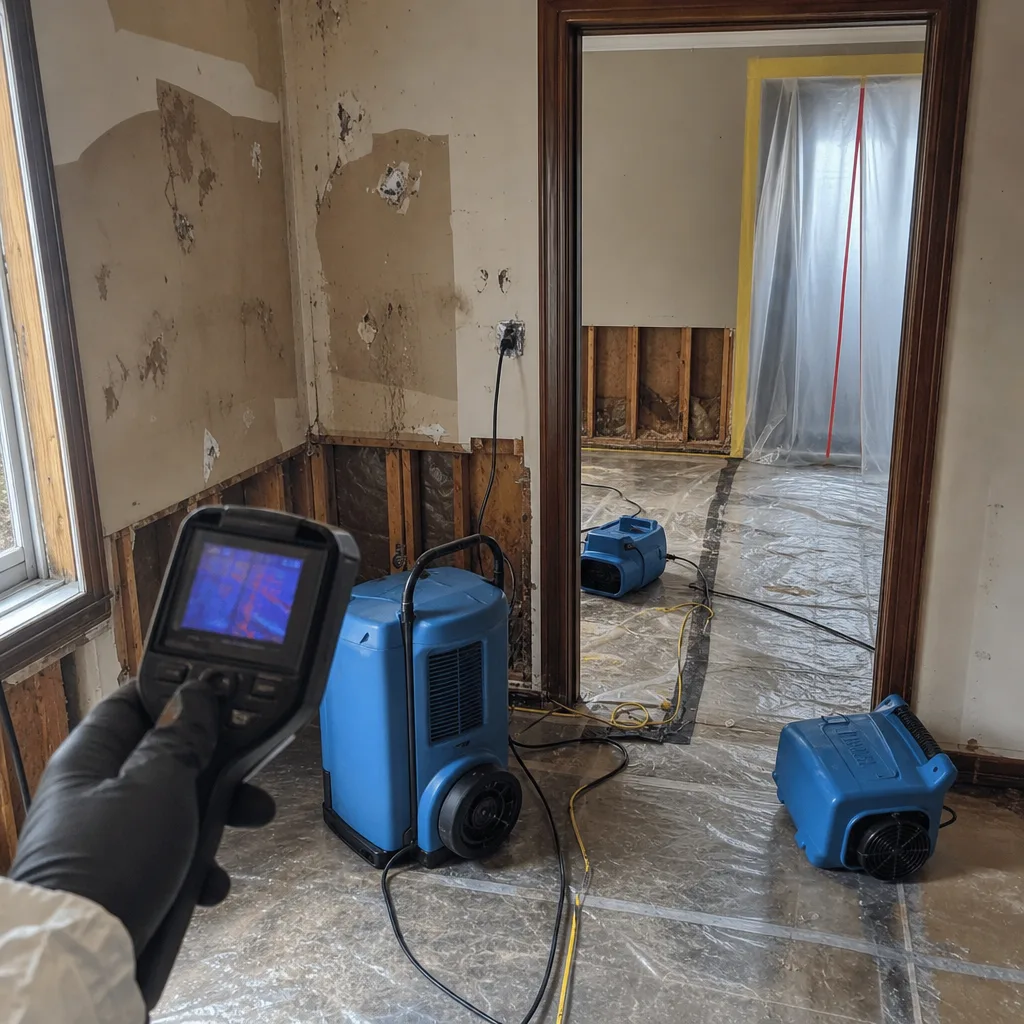 Before
 After
After