
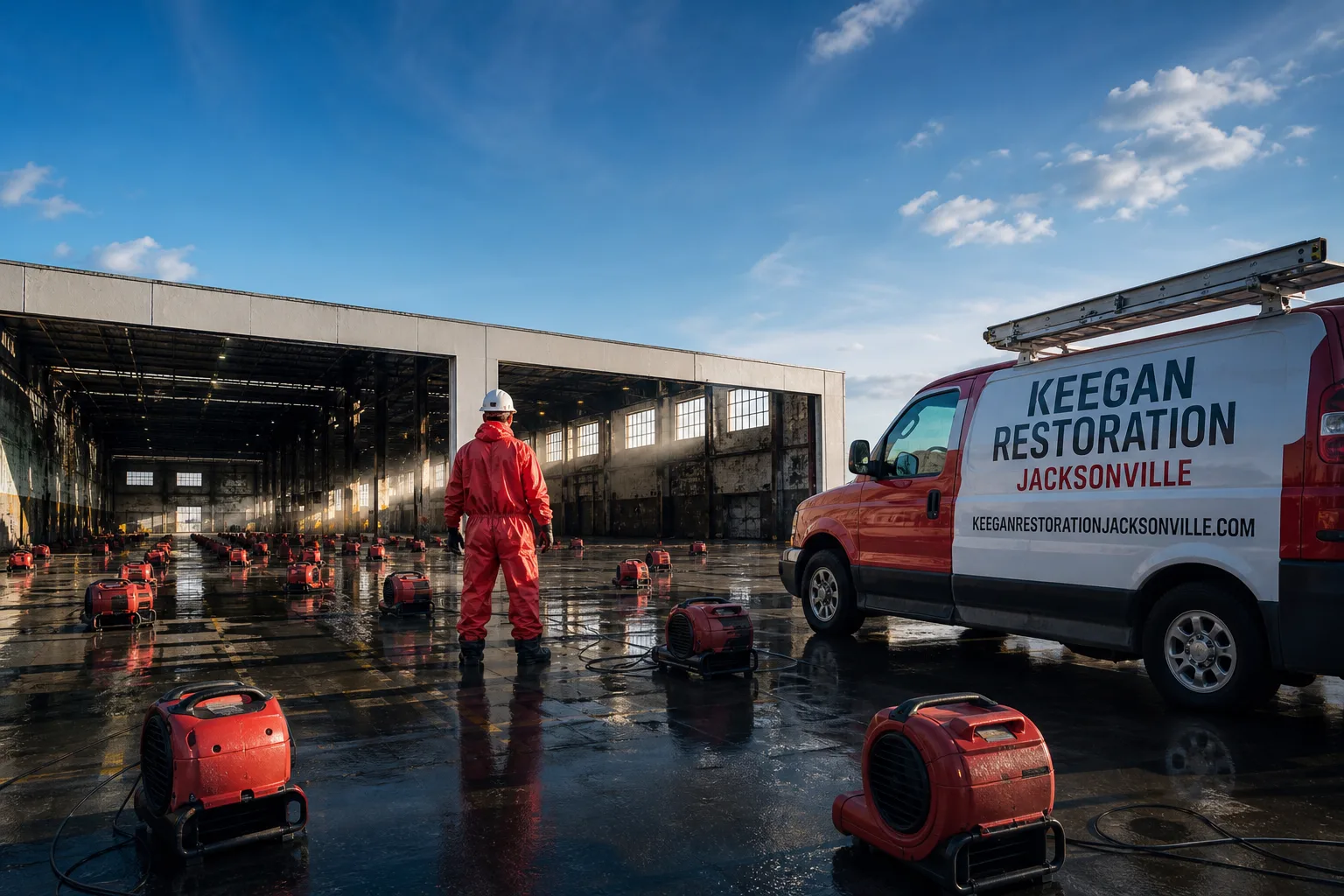
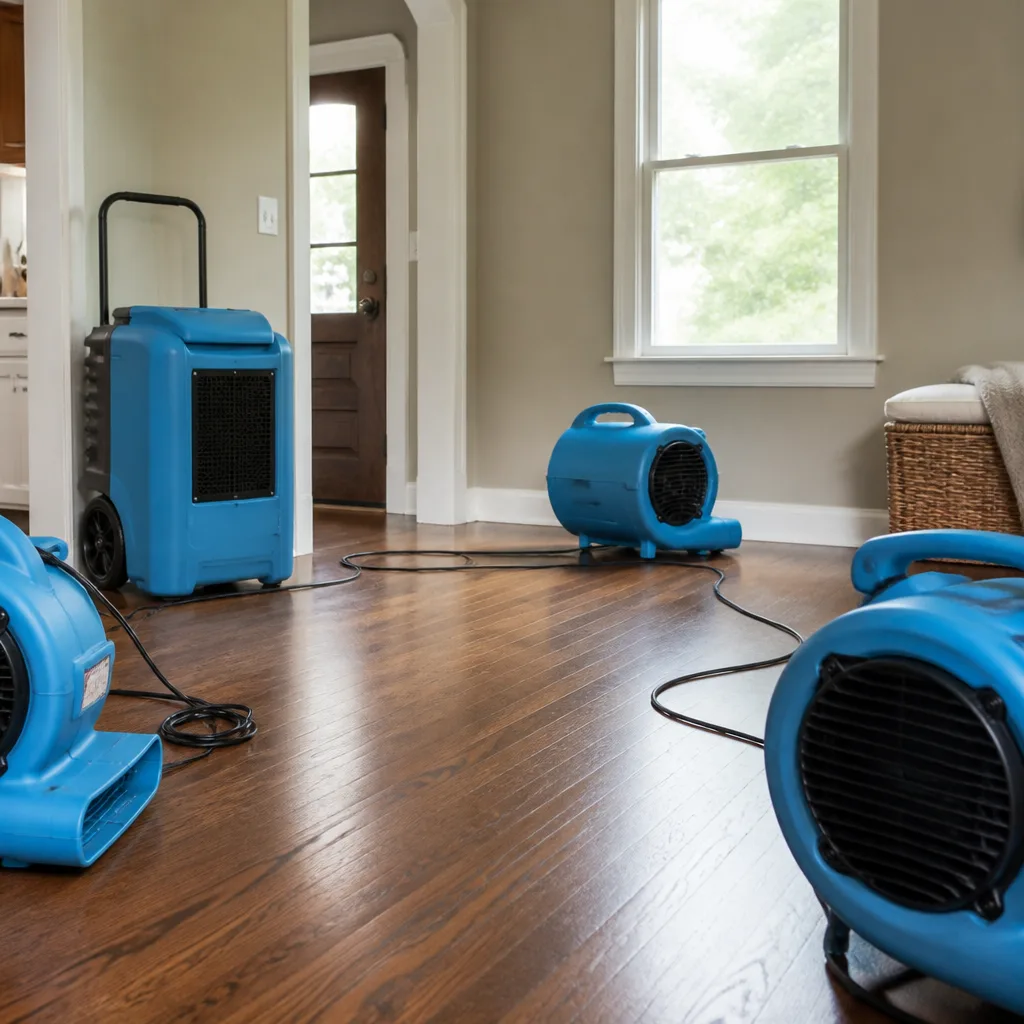
 Water damage drying
 Fire & smoke cleanup
 Mold remediation
 Storm response
 Sewage cleanup
 Reconstruction
Free visual inspection and a written scope of work before any mitigation begins - photos, moisture readings, and drying logs go in your claim file
The scope we write is the scope we bill. Anything new gets shown to you, in writing, before we touch it.
Get your free estimateFast, Reliable Fire Damage Restoration Across Jacksonville
Fire damage restoration in Jacksonville typically costs between $2,800 and $8,500 for a contained kitchen fire, and $12,000 to $35,000+ when smoke has migrated through wall cavities and attic framing. That second number is the one nobody plans for, and it’s the one we see most often in Jacksonville’s mid-century concrete block homes. When a small fire in an Arlington rancher pushes soot through open-block cores into the attic, the job stops being cosmetic and becomes structural. We answer the phone 24/7 at (904) 664-5108, and a live person picks up, not a phone tree. We serve the whole Jacksonville metro, from the Westside to the Beaches, and we show up inside the window we give you with a written price in hand before any work starts.
Why Keegan Restoration Jacksonville Is Jacksonville’s Preferred Fire Damage Restoration Company
Jacksonville homeowners call us because we run every job to The Garrison Standard: written price before work starts, background-checked and uniformed technicians, and a 365-Day Done Right Promise in writing. A fire is the worst day most people have had in years. The last thing they need is a crew that shows up late, moves the price at the door, or leaves site conditions worse than they found them. We’ve been part of the Garrison Partners family since 2005, and the discipline shows. Shane Pruitt leads our Jacksonville operation, and he’s built the team around one idea: do the job by the book, document everything, and stand behind it for a full year. If a repair fails inside that year, we return and make it right at no charge. In writing.
Our Jacksonville customers often tell us the same thing: another contractor quoted one number over the phone and a higher number in the driveway. That doesn’t happen here. The price you approve before we start is the price you pay. We document every step, including pre-loss condition of wiring, smoke detectors, and framing, because we know how insurance adjusters in Florida work. Photo documentation and a clear scope of loss make your claim easier. We format our reports to support it directly.
Response time matters in Jacksonville. Smoke odor sets into drywall and soft goods within hours. Soot begins corroding metal surfaces fast, especially in humid coastal air. We dispatch from our Jacksonville office and crews live and work across the metro, so we can be on-site fast when a fire has just been extinguished and the board-up is still going up. A live person answers day or night, including weekends and holidays.
Restoration work we handle
Fire and Water Damage Restoration in Jacksonville
Fire and Water Damage Restoration in Jacksonville almost always means dealing with both at once. The fire department uses water to knock down the flames, and that water ends up in the same wall cavities the smoke traveled through. In a concrete block home, that water pools at the sill plate and soaks into the furring strips, subfloor, and any drywall that survived the fire. We run extraction first, then structural drying with professional-grade equipment from Phoenix, XPOWER, and B-Air. We use psychrometrics to track drying progress, which means we measure temperature, humidity, and moisture content in materials, not just the air, to confirm the structure is actually dry before we rebuild. The written scope of work covers both fire and water damage, and the price for both is in front of you before we begin.
Smoke Damage Cleanup
Smoke doesn’t stay where the fire was. It follows the path of least resistance, and in Jacksonville’s concrete block construction, that’s the open cores in the block cells. Smoke travels up those vertical channels and settles in the attic, inside the walls, behind cabinets and baseboards. Our crews set containment first, then run HEPA air scrubbers to pull airborne particulates before they bond to surfaces. The Dri-Eaz scrubbers we use are the same professional-grade units trusted in IICRC-standard restoration work. We clean every affected surface to a written standard, not just the visible ones.
Emergency Board-Up and Structural Fire Repair
After a fire, your home is open to the weather, animals, and anyone walking by. We board up windows, doors, and any breached roof sections the same day we’re called. That’s step one. Structural repair comes after the full scope is mapped and the adjuster has seen the pre-loss documentation. We repair or replace charred framing, damaged trusses, and compromised support members. In older Jacksonville homes, especially 1960s and 1970s concrete block construction, the framing over windows and door openings is often undersized by modern code. When fire removes the drywall that was hiding that situation, we flag it and address it in the written scope before any rebuild starts.
Soot Removal in Jacksonville
Soot removal in Jacksonville requires more than wiping down surfaces and calling it done. Soot is acidic. It etches glass, corrodes metal, and permanently embeds itself in painted drywall and wood grain if it’s not properly removed. In humid air, soot absorbs moisture and becomes even more aggressive. Jacksonville’s climate makes aggressive soot removal urgent. We use HEPA vacuums, dry-chem sponges, and specialized detergents formulated for fire residues, not household cleaners. The process is methodical: contain, filter, agitate, remove, then seal to prevent odor bleed-through. We don’t leave micro-soil behind. If a surface can’t be cleaned to the standard, it gets replaced or encapsulated, and that decision is in the written scope before we touch it.
Smoke Odor Removal in Jacksonville’s Humid Climate
Smoke odor molecules are sticky, and they bond with moisture. Jacksonville’s high relative humidity means odor restoration in fire-damaged homes here takes specialized tools: thermal fogging, ozone treatment, and hydroxyl generators. We use the right combination for the substrate and the severity. In a dry climate, a simple airing-out might be enough for light odor. In Jacksonville, with the humidity the way it is, you’re fighting the chemistry the whole time. We account for that in our process and in the timeline.
Contents Cleaning and Pack-Out
In Jacksonville’s 1970s-era homes, especially in the older Westside and Arlington neighborhoods, pack-out is often necessary because the homes are smaller, closets are shallower, and nearly everything inside is stored closer to the fire source. More importantly, contents that absorbed smoke will continue to off-gas odor into the cleaned structure. We inventory everything, pack out affected contents to our facility for cleaning, and return them after the structure passes a final odor check. The inventory list is part of your claim documentation. Nothing gets thrown away without a photo and a written line item.
Trusted Brands We Service in Jacksonville
We run professional-grade equipment from Dri-Eaz, Phoenix, XPOWER, and B-Air on every fire and water job in Jacksonville. These are the brands used in IICRC-standard restoration work. We stock replacement filters, inlet screens, and common components for our equipment locally, which means faster turnaround when a blower or air scrubber needs service mid-project. We also service Injectidry systems for the targeted drying work that follows fire-suppression water in tight Jacksonville wall cavities. You won’t see homeowner-grade fans or rental-shop dehumidifiers on a Keegan Restoration Jacksonville job. That’s not what the Garrison Standard calls for.
See the difference
 Before
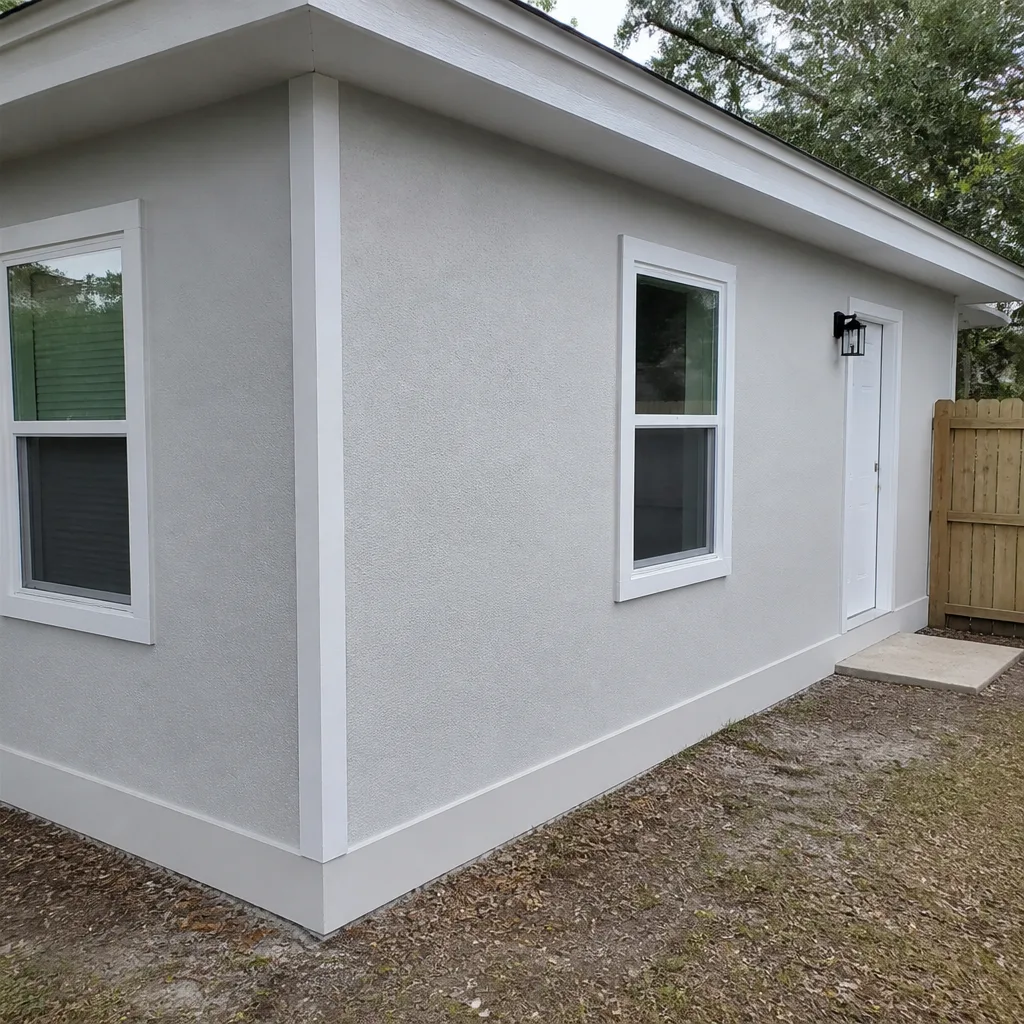 After
After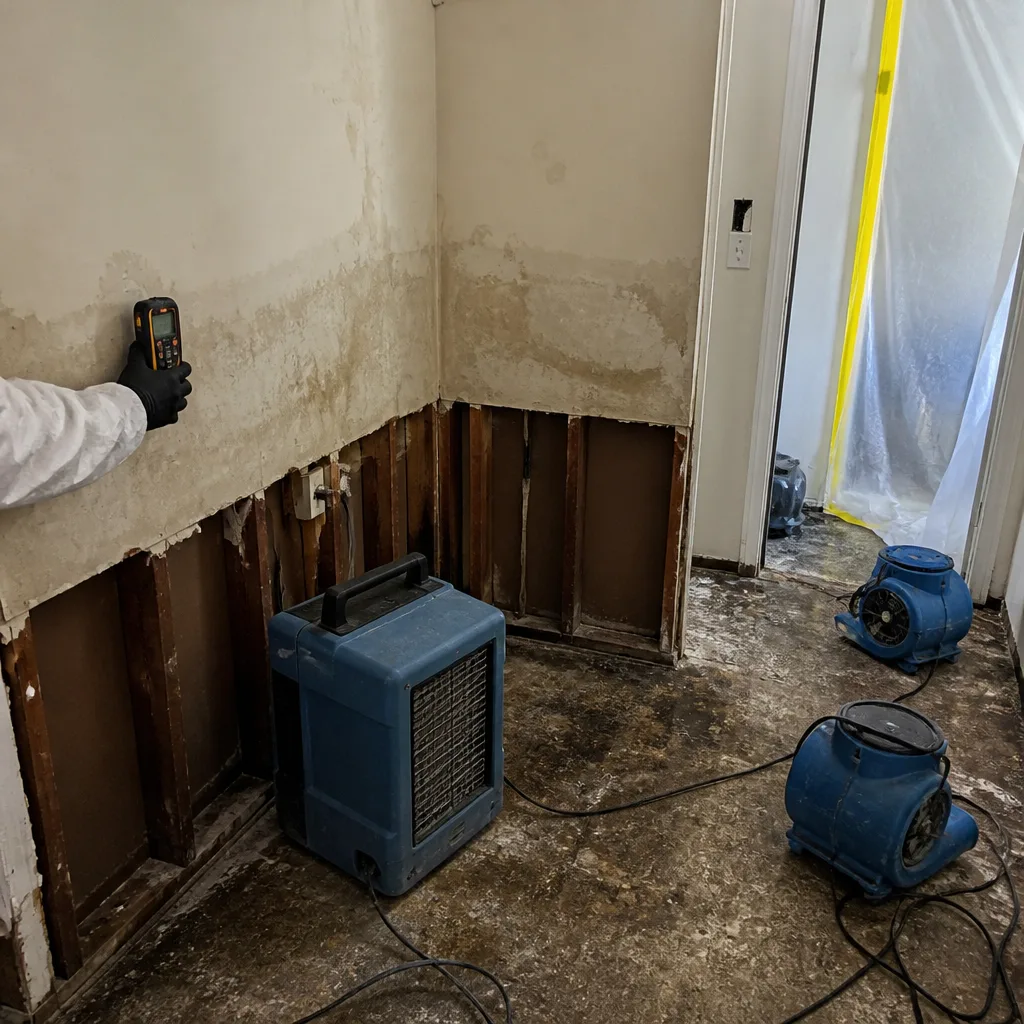 Before
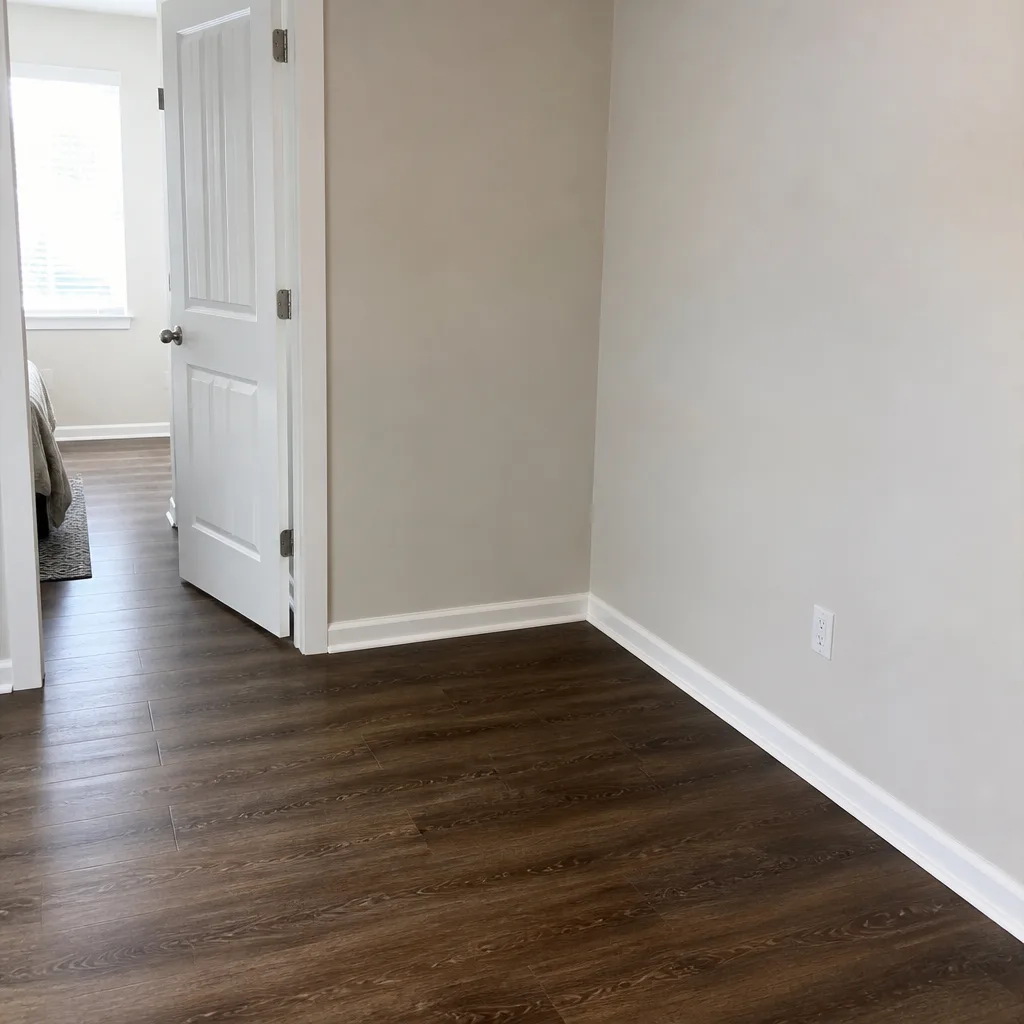 After
After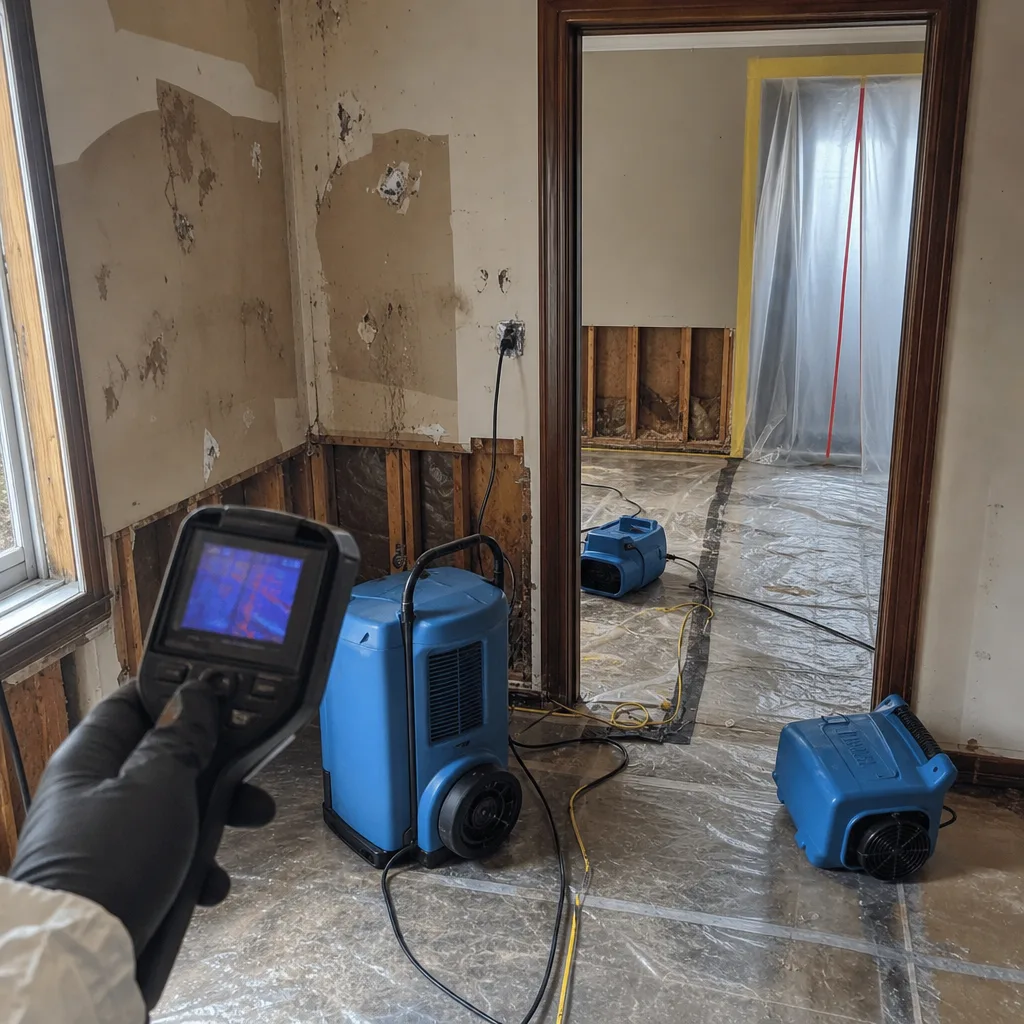 Before
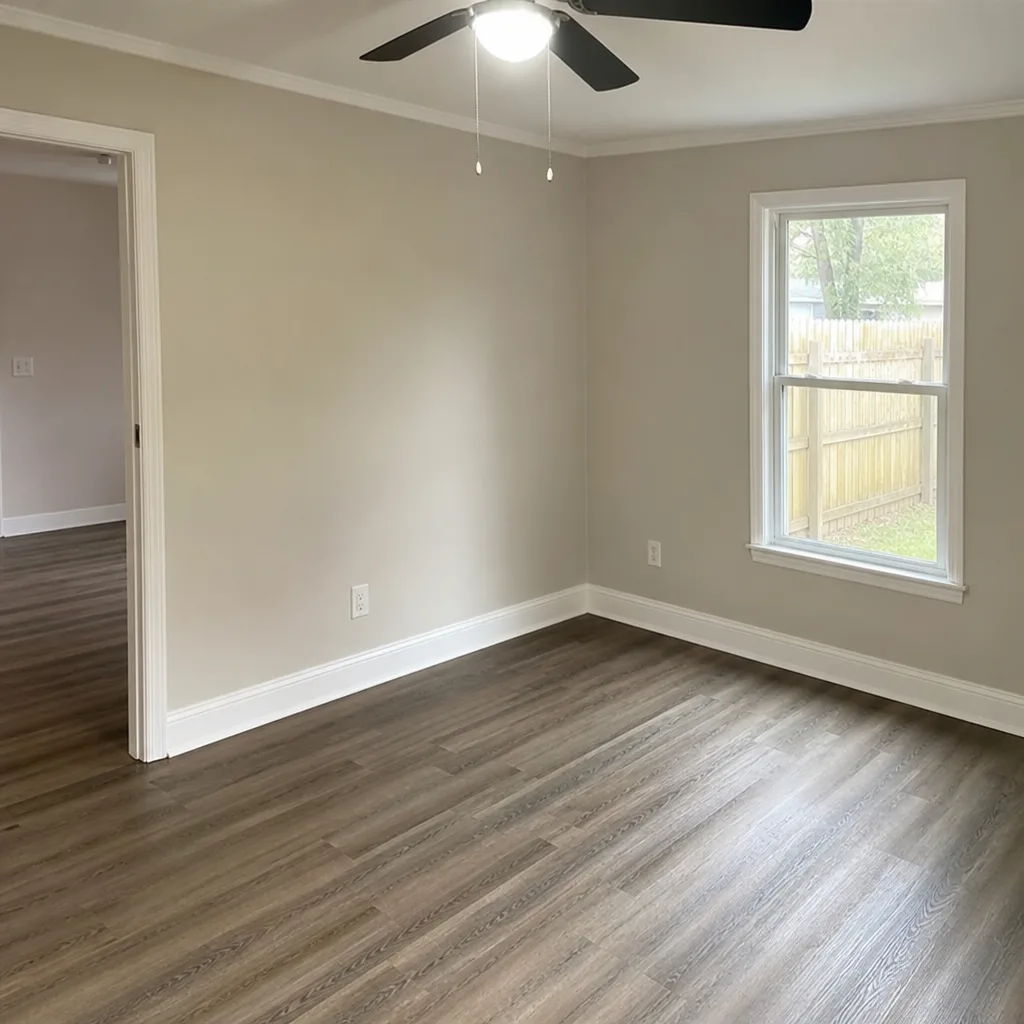 After
AfterCommon Fire Damage Restoration Problems We See in Jacksonville Homes
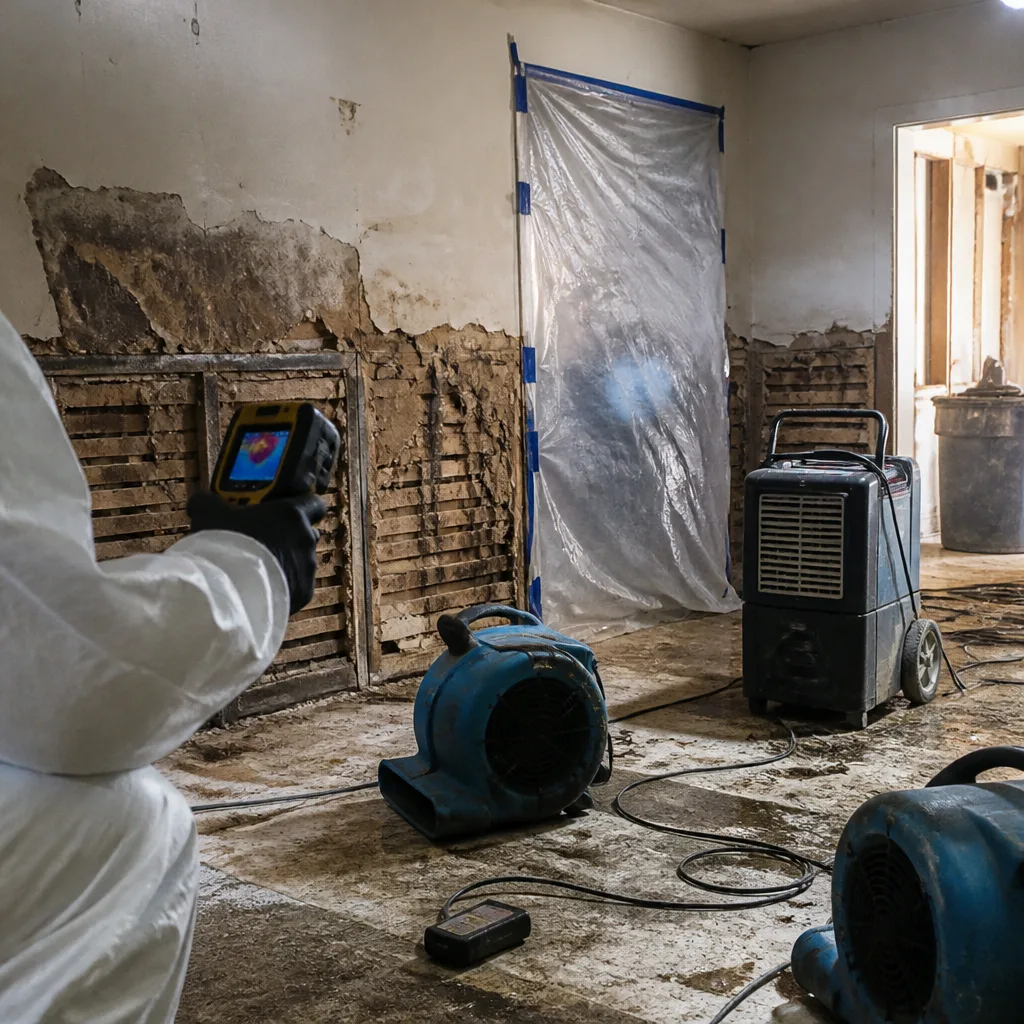
- Smoke migration through open-block cores. In Arlington, the Westside, and other concrete block neighborhoods, the hollow cells inside the block act like chimneys during a fire. Smoke that looks contained in the kitchen ends up in attic insulation and behind drywall on the opposite side of the house. We find it with thermal imaging and reading smoke patterns, not guesswork.
- Hidden damage from pre-loss wiring conditions. Many 1960s and 1970s Jacksonville homes still have original cloth-wrapped wiring and hardwired smoke detectors. When fire compromises those, insurance claims get complicated. Our pre-loss condition documentation shows what was there before the fire, which protects your claim from denial.
- Saltwater-corroded electrical panels after coastal fires. In Atlantic Beach, Mayport, and other coastal Jacksonville areas, a fire often follows a storm surge. The panel may have been damaged by saltwater before the fire started. Untrained crews assume fire damage is isolated. We check the panel as part of the scope, because a corroded panel is a shock hazard during cleanup.
- Moisture trapped in block walls after fire suppression. Concrete block is porous. The thousands of gallons of water the fire department uses don’t just sit on the floor. They soak into the block, the stucco, and the mortar joints. If you start rebuilding before that moisture is mapped and dried, you’re sealing mold inside the structure. We run moisture mapping on every fire job in Jacksonville, no exceptions.
Pricing for Fire Damage Restoration in Jacksonville, FL
Here are real Jacksonville market ranges, not vague promises. Fire damage cleanup for a contained kitchen fire with moderate smoke throughout the home runs $2,800 to $6,200. Smoke damage cleanup with pack-out, content cleaning, and odor sealing across a whole house runs $6,500 to $14,000. Soot removal and structural repair after a larger fire, including framing replacement and rebuild, starts around $12,000 and can exceed $35,000 in Jacksonville’s older homes. What drives the cost: how far smoke traveled through block cores and wall cavities, whether contents need pack-out, and what the pre-loss condition documentation says about your existing systems. Call (904) 664-5108 for a free estimate. We’ll walk the site, explain the scope in plain language, and hand you a written price before any work starts.
We Also Serve Cities Near Jacksonville
Our Jacksonville-based crews serve the surrounding metro, including Orange Park, Fleming Island, Middleburg, and Atlantic Beach. If you’re outside the city core but still in the Jacksonville area, call us. We’ll confirm coverage and get a crew dispatched from our local office. You can also read more about our Fire Damage Restoration approach and how we run every job to The Garrison Standard.
Serving Jacksonville, FL - Our Local Coverage Area
We’re based in the Jacksonville area and know this community well. Use the map below to see our service coverage - if you’re nearby, we can almost certainly help.
FAQs About Fire Damage Restoration in Jacksonville
In wood-framed homes, smoke usually travels through the attic and wall cavities between studs. In Jacksonville’s concrete block homes, especially those in Arlington and the Westside built from the 1960s through the 1980s, smoke travels through the open cores inside the block cells themselves. That means soot can reach areas far from the visible fire, including wall voids, attic trusses, and the back side of drywall on the opposite wall. The scope changes: we map smoke travel using thermal imaging, set containment outside the visible burn area, and often open small inspection ports in walls to confirm where soot actually went. Untrained crews skip this step, hide soot behind new drywall, and the home re-odors within weeks. Call (904) 664-5108 and we’ll explain the full process.
Fire suppression water starts as Category 1, or clean water. It becomes Category 2 or Category 3 when it mixes with fire residue, soot, and whatever was in the structure before the fire. In Atlantic Beach and other coastal Jacksonville neighborhoods, there’s another layer: saltwater intrusion from the same storm event that caused the fire. Saltwater is corrosive and can’t be treated like clean freshwater. We test the water source, classify it correctly, and adjust the drying and cleaning protocol. If saltwater reached the electrical panel or HVAC system, that’s documented and included in the scope. Don’t assume fire water is just water.
Why is pack-out more common for fire restoration in Jacksonville’s older Westside homes than in newer developments?
Westside homes from the 1970s and earlier have smaller rooms, less closet space, and denser contents per square foot. That means soft goods, clothing, paperwork, and furniture are closer to the fire and more likely to absorb smoke. Newer developments with open floor plans and walk-in closets don’t concentrate contents the same way. Pack-out means we inventory every affected item, transport it to our facility for cleaning and odor treatment, and return it after the structure passes inspection. It’s more work and it adds to the claim, but it’s the only way to remove odor from both the structure and the contents. We don’t just fog the house and hope.
Can we repair original hardwood floors after a fire, or do they always need replacement in Jacksonville’s humid climate?
It depends on what the water and smoke actually did to the wood, but in Jacksonville’s humid climate, salvage is harder than elsewhere. Hardwood absorbs water quickly, and high humidity slows the drying, which raises the risk of cupping, crowning, and permanent warping. If the fire water sat on the floor for more than a few hours, and if smoke soot has worked into the grain, replacement is often the honest recommendation. We can sometimes save original flooring with sanding and refinishing if the damage is light and drying started fast. Our written scope gives you the straight answer with a price either way.
Do Jacksonville’s 1970s-era stucco exteriors require special inspection after an interior fire?
Yes. Stucco on 1970s Jacksonville homes was often applied directly over concrete block or metal lath, and it can hide moisture and heat damage from the fire. The interior fire may have driven heat into the block wall, and the stucco can crack or delaminate from the wall. Fire suppression water can also soak into the stucco, especially where original flashing or control joints have failed. We inspect the exterior after every interior fire, look for cracking, blistering, and moisture trapped behind the stucco, and include any needed repair in the written scope. Skipping this step means water damage behind the stucco turns into mold in the Florida humidity.
Written by Shane Pruitt, Owner at Keegan Restoration Jacksonville, providing water damage restoration, fire damage restoration, and mold remediation across the Jacksonville metro.